Ready for Summer?

With summer fast approaching polios are usually rejoicing: Relief for cold feet and less painful joints! However as we age we may not tolerate the extreme heat of summer as well as we used to do either.

Some Simple Tips

  • Heat drains energy weakness, loss of reserve, palpitations. Supplement potassium ie Slow K, vegie water, vegie peel – crisp with sea salt in oven.
  • Faintness, exhaustion: Loss of electrolytes – add some sea salt to drinking water to just below taste
  • FEET – Burning – Smelly – Swollen – Cracked: Vitamin B5, Zinc, Potassium, Vit B6, elevate feet, rub with coconut oil
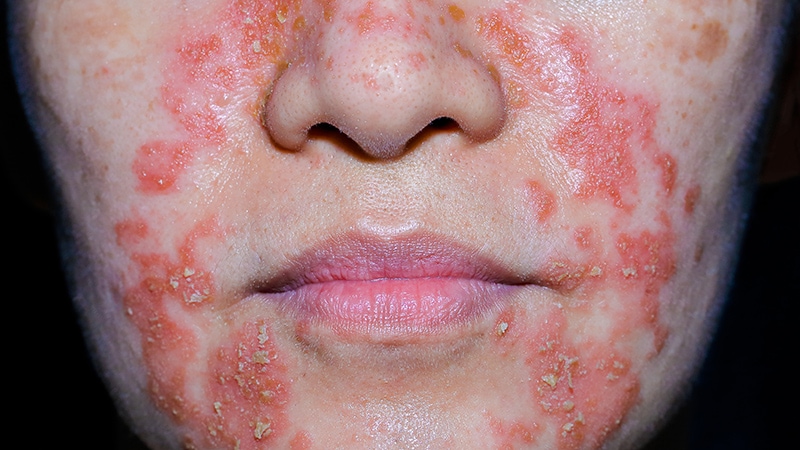
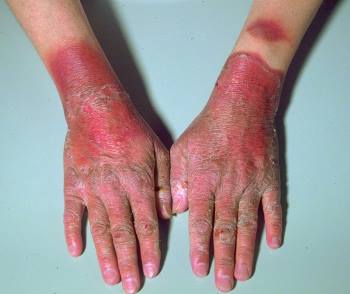
  • SKIN – Heat rash or chaffing if skin rubs, dry, scaley patches: Dust with “corn” cornflour  on rash or in skin creases. Coconut oil. paint with iodine.
  • Cramps, spasm: Magnesium twice daily. Drink more water -sea salt
  • Can’t sleep – too hot: Cool bath/shower before bed, use fan, tepid sponge
  • Food poisoning (NB food should keep refrigerated for 5 days): Reheat foods by boiling 5- 10 mins to kill germs. Take colloidal silver 60ml.
  • New shoes that rub and cause blisters: Soap hands and rub over feet frequently to lubricate

ACID ALKALINE BALANCE
It has come to our attention that eye shape changes quite quickly in response to acidity status. I used to wonder why some times I had what I called slitty “piggy” eyes and sometimes lovely big “cow” eyes. Normal eyes are in between. Piggy Eyes are too acid. Cow Eyes are too alkaline. They can change from day to day and even as the day progresses. The 2 main factors that make us too acid are heat (incl hot weather), meat and protein foods or grains. The factors that make us alkaline are cold and fruit or vegetables. We can use this knowledge to help us re- balance our over-acidity or alkalinity.

Make your own “Fizzy” !!

 1⁄2 teaspoon of carb soda in 1⁄2 cup of fruit juice (preferably water or juice that has some citrus in it)

Stir until froths up to top of cup then drink

Take 1 – 4 times a day away from food according to eye shape ie Piggy or Cow eyes.

Take on rising, mid morning, mid afternoon, or before bed. Take at least an hour after meals.

Makes us more alkaline so body can work better.

Hayfever and allergies

Hayfever season can be a tedious time for those prone to allergies. But here are some simple ways of coping better.

Vitamin C is our natural anti-histamine and anti- inflammatory agent. If you look in biochemistry books you will see that the 2 main ingredients in cortisone production in the body are Vitamin C and Vitamin B5 (pantothenate). Try taking sufficient Vit C twice a day to bowel tolerance but if not sufficient try adding a few grams of B5 twice a day too. It is important to take the right Vit C for your blood group.
Vitamin D3 is equally important. Take 6 – 10 daily.

SymptomSolution
Sneezing. Runny nose. Post nasal drip.Vit C 2000mg – 10,000mg
Vit B5 2000mg – 4000mg
Vit D3 6000iu – 10,000iu
Stuffy noseVit C. Boil lemonade and sip hot as you can
Irritated, watery, itchy eyesVit B2 400mg daily
Itchy irritated earsFish Oil 2000mg –4000mg
Sinus problemsVitamin A (cod liver oil capsules 2 – 4 per day)
Persistant coughVit D3 6000iu – 10,000iu
Raw inflammed skin from tissues and heatRub with coconut oil
Dust with “corn” cornflour
Cold soresPaint with iodine, Vit E
Loss of voice, hoarsenessVit B1 4 x250mg. Drink more water

Parasites

The human body is literally crawling with hundreds of strains of viruses, yeasts and bacteria and other small foreign organisms. The digestive tract alone holds more than 1kg of bacteria. In the right balance, these organisms are necessary for proper digestion and nutrient absorption. We definitely do not want to be completely sterile. However, there are over 130 species of parasites which can cause up to 400 different diseases. Here is more information about what to look out for and how to manage them.

What is polio?

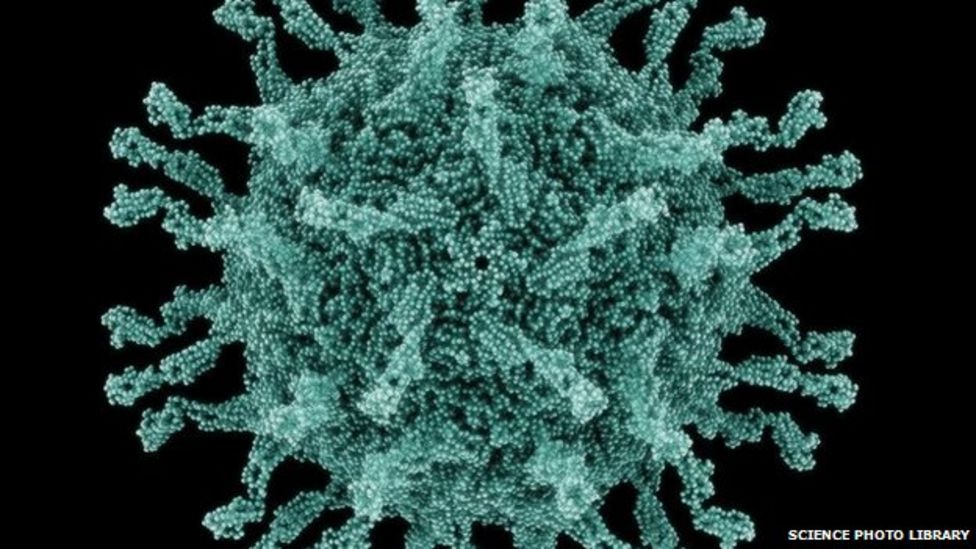
POLIOMYELITIS is an enterovirus (ie tummy wog) of the picornavirus family.
There are 3 strains of polio Types 1, 2 & 3 – and having polio does not protect us from the other 2 strains. NB polio can be caught from the nappy of a child who has been vaccinated with Sabin (a live weakened virus) for up to 4 months later – if you are not vaccinated. Salk (injection) wears off over time. It is advisable to now have Sabin (oral) booster. Australia now uses 2 initial Salk followed by 2 Sabin for babies, to lessen risk of vaccine-caused polio.

CATEGORIES of POLIO
1. Paralytic – spinal &/or bulbar (eg iron lung)
2. Paralytic – slight paralysis or weakness only 
3. Non-paralytic – ‘flu-like with muscle irritability 
4. Abortive – ‘flu like symptoms only
5. Sub-Clinical – no symptoms. 95% of people fit this category prior to vaccination.

Only 5% had a recognisable dose of polio (ie 1- 4) and only 2.5% were left with any residual weakness or paralysis. Anyone from categories 1- 4 may now be experiencing further physical deterioration. These people would have had some nerve and muscle damage due to polio even if it is not apparent to us. It may be picked up by a neurologist with EMG testing. In fact those walking around, with a busy life, are more likely to have problems than those sitting in wheelchairs. They are still using more muscles, probably at a faster rate because there are less left. Weakness is only apparent when nerve and muscle capacity is less than 40-50% of original total. However we all lose a small percentage annually as we age so with polio we can reach 40% earlier than others.

Polio people walk a tightrope whereas non-polios are on the footpath. We have no reserves to fall back on. They were lost to polio.

Polio people avoid doctors and hospitals. They had enough of them when they had polio. We need to be pretty desperate to front up to a doctor. We are likely to trivialise symptoms. We often live with constant pain and fatigue anyway. We accept these as “normal”. Our whole life since polio has been an attempt to fit back into the community – to just be “NORMAL” !!

Polio people often don’t see themselves as disabled.

MOST COMMON SYMPTOMS 
Undue fatigue
New muscle weakness
Pain 
– muscular and/or joint
Lack of endurability
Breathing 
difficulties
Sleeping problems – apnoea & disturbed sleep 
Swallowing difficulties
Reduced ability in daily activities

USEFUL TREATMENTS
1. Slow down – don’t exhaust
2. Exercise cautiously within capacity
3. Support nerves & muscles with supplements where indicated eg carnitine, magnesium, B6 
4. Use aids & equipment where appropriate sooner rather than later. eg caliper, wheelchair 5. Eat to help body not hinder eg red meat for carnitine, lose weight, blood group foods
6. Avoid medications that worsen polio eg beta blockers, cholesterol drugs, muscle relaxants 
7. Explore alternative options – eg massage, Feldenkrais, Bowen, magnets, chiropractors, yoga

USEFUL RESOURCES
1. Work in partnership with your GP
2. Get advice from your Polio Network
3. Use experienced Specialists
Orthotic Dept – RPH – SPC for calipers, splinting, corsets & braces, special shoes
Late Effects Clinic – RPH – SPC for exercise 
Sleep Disorder Clinic – SCGH for apnea 
Pulmonary Physiology – SCGH for breathing 
Neurologist – Dr R Goodheart – (polio trained) 
CAEP for aids at your local hospital OT Dept or Rehab Engineering & Pressure Clinic at RPH – SPC for wheelchairs & cushions 
Silver Chain for home help, showering etc 
Half price Wheelchair Taxis -Transport Dept 
Disabled Parking – apply ACROD

MEDICAL ALERT
Polio symptoms may be worsened by the following. They should be avoided or used with caution.
Beta-blockers – eg betaloc, inderal, tenormin 
Benzodiazapines – eg valium, serapax, ativan 
CNS depressants – eg mogadon, normison 
Muscle relaxants – scoline, atropine, buscopan 
Cholesterol reducing drugs – pravachol, zocor 
Local Anaesthetics – eg lignocaine, xylocaine includes eye drops & dental work caution General Anaesthetics – all types – monitor dose carefully. No need for premed or muscle relaxants
NB Polios may take twice as long to recover from surgery, accidents, anaesthetics, fractures, trauma

Swallowing problems occur in about 16% of post-polios, it can be intermittent, and it can be frightening, It is most common after type 1 polio: paralytic bulbar type. If you develop new symptoms, don’t hesitate to consult your doctor. Remember to chew slowly and well, without distractions like the TV or conversation. Take smaller mouthfuls, and reduce the size of your meals. You may need to eat more often to compensate.

Sleep apnoea can be related to swallowing difficulties, due to weakness of the upper airway muscles.

Fatigue

Have you ever felt like this?

This is a word picture of what it feels like to have to deal with the fatigue of post polio. This is what it is like for 71% of Australian polio survivors now, as they age with the Late Effects of Polio today.

This may help you to explain to family, friends, doctors etc just how bad this is.

I think I am just “lazy”. It is too much of an effort to get up, to walk around, to do the any work, to prepare meals. I make excuses to myself.

I can’t even think straight to “work out” what I have to do. But it has to be done. So I push myself to get on with it. I think I should be doing things, so I do. Then I am so exhausted that I am overcome with a mind-dampening exhaustion – brain fog that requires complete relaxation lying on a bed, not even thinking. After half an hour or so I start to feel some energy returning. I get up again because I can’t lie here all day. Must get on with the day’s work.

Everything is such an effort. It is like wading through water. It is an effort to put one foot in front of the other. I find the length of my stride has lessened and I have widened the base on which I walk – because I don’t feel steady on my feet and am likely to overbalance and fall over.

I find I am exaggerating lifting my feet – and put them down with a stamping effect, as I am not sure how high I need to lift them to clear the ground or how far down again to get to the floor.

I drive around looking for the closest parking spot to the shops. By the time I walk in and get a trolley, I’m wondering where I will find the energy to push it around the aisles, let alone get back out to the car. Sometimes I don’t even get out of the car. I start the engine and go home again as I didn’t have the energy to even get out of the car to go shopping. These days I only shop for essentials – like food!

Gone are the days when shopping is a pleasure and a day out with a friend is a treat!

I find I am driving with only one hand on the steering wheel. The other is resting in my lap.
It takes too much effort to have both hands on the steering wheel if I don’t have to.

When I sit in a chair, I tend to slump, and slide further and further down the chair. I know I am sitting round shouldered but I just can’t stay sitting up straight. I end up going to lie down on the bed – it is too much effort to even get up out of the chair to go to the bed – but I know I will recover more quickly if I do lie down.

I have problems hanging out the clothes as I can’t keep my arms above my head for too long. Just getting the washing basket out to the washing line wears me out. I have to go back inside and lie down on the bed for 15 minutes or so to get enough energy back to go outside again to try to hang some of it on the line. The same bringing it in again. I really need my family to do it for me.

If only they were still here to help me! It takes so long to do what used to be simple tasks.

What is wrong with me? I struggle to mow small sections of the lawn, or weed a garden bed, wash the car. I used to be able to do all this so easily!

I am so angry and frustrated that I can’t do what everyone else considers “normal” things, without it being a super-human effort. I hate having to ask my family to help me do what I used to be able to do. I feel they don’t value me anymore and resent me being here – having to help me.

They do not understand how difficult life has become for me. I hate being a burden on my family so much that I have considered ending my life to release them from the burden of my being here. My doctor can’t find anything wrong. He says it must be all in my head. He says I need antidepressants – but then I feel worse.

Is this all there is left? I feel like my life is over – it is all just too hard for me. Is this maybe what they call – “Post-polio fatigue”?

I don’t like to admit it. So often I knock back offers of help without even thinking – saying “No thanks. I am right!” or .“I can manage thanks!” even when I can’t. But maybe now I need to accept that I can actually make others feel good about themselves, by allowing them to help me.

But what can we do about it?

September 2022 Newsletter

The big news in this newsletter is the AGM on Sunday 30 October 2 pm at the Polio office. Please RSVP if you plan to attend, and bring a plate of food to share for afternoon tea. Nominations are hereby called for President, Secretary and for 2 Board members as per our Constitution. Present Board members are happy to continue in these roles.

Also, mark your diary for the Christmas Party on Sunday 4 December from 12 pm at the Polio office.

https://polioclinic.org/wp-content/uploads/2022/09/polio-clinic-wa-newsletter-sept-2022.pdf

Vitamin B6

Vitamin B6 (pyridoxine) is important in metabolism of proteins, lipids and carbohydrates. It is required for nerve and cognitive health, protects immune function and prevention of anemia.

It can be found in a wide variety of foods – beans, grains, nuts, fish, meat, vegetables, and non-citrus fruits, so it is rarely deficient in those who have a healthy diet unless they have coeliac disease or inflammatory bowel disease. It has been seen in pregnancy and pre-eclampsia, but is most commonly associated with alcohol-use disorder, tobacco smoking, protein-energy malnutrition or obesity. Absorption of vitamin B6 can be impaired in the elderly, rheumatoid arthritis, hepatitis, or kidney failure.

It is unlike any other vitamin in that deficiency or excess can cause similar symptoms, such as peripheral neuropathy.

Deficiency can cause a syndrome indistinguishable from Pellagra (which is due to Vitamin B3 / niacin deficiency). Weakness, dizziness, inflamed tongue, cheilosis, dermatitis (seborrheic, in sun-exposed areas), numbness/weakness/burning of the hands/feet, incoordination, depression, irritability, confusion or seizures can be signs of deficiency. It increases the risk of heart attack, stroke and blood clots.

Meyer HE, Willett WC, Fung TT, Holvik K, Feskanich D. Association of high intakes of vitamins B6 and B12 from food and supplements with risk of hip fracture among postmenopausal women in the Nurses’ Health Study. JAMA Netw Open. 2019 May 3. 2 (5):e193591. [QxMD MEDLINE Link].

Because of the risk of excess vitamin B6, it is best to supplement it using food choices, rather than tablets. The best sources are liver, fish, chicken, beans, peas, tomato, oranges, bananas, and avocados. Additional supplementation should be considered when using certain medications – isoniazid, hydralazine, levo-dopa and penicillamine.

Carnitine and pregnancy

The Swiss based company Lonza announced that a new study observed that supplementation with L-Carnitine during pregnancy can significantly reduce the increased level of plasma free fatty acids, which is considered the main cause of insulin resistance, a major factor in gestational diabetes in pregnant women. This company- supported study conducted at the University of Vienna (Austria) was published in Chemical Monthly 136, 1523- 1533 (2005).

Already by the 12th week of pregnancy, plasma L- Carnitine levels are significantly decreased, with a further reduction up to birth. This reduction of total L-Carnitine is mainly caused by a significant decrease of free L- Carnitine levels. Similar low levels of free L-Carnitine are only found in patients with a Carnitine deficiency.

Studies show a drop of carnitine blood levels from a normal of 39 umol/L to 22 by 11 – 15 weeks of pregnancy down to a very low 12 by the time of delivery. ie Carnitine levels in the expectant mother have halved in the first trimester of pregnancy and are one third of their starting levels by the end of the pregnancy. More recent studies also confirm this drop of carnitine levels in pregnancy. Any level from around 25 – 30 is considered carnitine deficient. Polio survivors and their descendents need levels of 50 + to alleviate fatigue.

Tessa Jupp has been recommending for years that any children/ grandchildren of polio survivors pregnant or contemplating pregnancy (male or female) should be taking carnitine supplementation up to 12 months prior to conception if possible and certainly through the pregnancy and while breastfeeding in order to avoid passing this problem on to successive generations. This is borne out with new information available on Epigenetics.

A child of a WA polio survivor had used carnitine to recover from debilitating fatigue herself some years ago, since married and had 2 children who have no sign of carnitine deficiency. However she stopped taking carnitine before having her third child and now finds that child has poor muscle tone and delayed milestones consistent with carnitine deficiency. This is likely to be a life-long problem now for that child.

We have the power to turn off this epigenetic switch by ensuring parents have adequate nutritional status before pregnancy so that we have healthy children not affected by the problems besetting their polio parents.

June 2022 Newsletter

There’s lots in this newsletter to help get you through the cold-and-flu season, as well as some very useful old-fashioned recipes and remedies.

One of our office volunteers fell over at home a few weeks ago, fracturing her polio leg above the knee. Luckily she only had to wait 15 minutes for an ambulance! When the orthopods at SCGH got to see her, they said that THEY KNEW all about POST-POLIO and devised the best plan to manage the surgery for her weaker-boned polio leg, the best anaesthetic to use, and how to get her back on her feet for rehab as soon as possible.

Brenda Lake and Tessa Jupp were asked to conduct in-service lectures at some of our major hospitals in the late 1990s and Dr Niblett had input at SCGH as well. He worked there as a Radiation Oncologist & used SCGH services for himself, as a polio survivor, as did Brenda. Hospitals here have had our post-polio paperwork for many years, and thanks to our and your efforts over the past 30 years, it is coming to fruition.

It was as a result of one of these lectures at RPRH in late 1998, that with the help of Jega & her colleagues there, the WA Health Dept agreed to start our Late Effects of Disability Clinic in 2000. This is still operating now, at Fiona Stanley Rehab Hospital.

So it is perhaps timely to print for you again, the Conference Speech that Brenda gave on behalf of all polio survivors, at the World Polio Conference in Tunisia in 1997.

OFFICE ENTRY CHANGES due to COVID

To keep us all safe at the moment, we have put a pick-up table at the doorway to stop people entering our office- space and appointments need to be by phone or email. No face-to-face appointments until Covid dies down.

ALWAYS PHONE on the day if you intend to drop in to make sure there is someone here in the office. Please check first. We never know what is round the corner! My usual times are Tues – Thurs 10.30am – 5pm