Exercise

The Late Effects of Disability Clinic (LEDC) in WA began in 2000 at the Royal Perth Hospital – Rehab Centre at Shenton Park (where polio was treated 50+ years ago). The pressure that enabled this clinic to be established came from polio survivors in WA, in particular from the Post Polio Network, the local self-help group for polios, in collaboration with some interested health professionals who were already seeing increasing numbers of polios with problems, either privately or through the public hospital system.

It was realised that there were a number of other minority groups also aging with a long term physical disability, like cerebral palsy (CP), spina bifida, Guillain Barre etc, who also needed a voice. By requesting clinical facilities for all of these groups, and pointing out that it is a better use of finances to keep these people out of hospital and still managing at home, we were given a trial run. Health Dept funding was provided for a Rehab specialist to head the clinic for a few hours a week/fortnight, with unpaid physio input from hospital staff as long as it didn’t interfere with their present hospital work commitments. This trial proved its worth and now LEDC has a permanent paid physio employed 3 days per week for the clinic.

Access to LEDC is via GP referral to the Rehab Specialist heading this clinic. The wait time for the doctor is often 9 -12 months, so primary assessment within a few months is undertaken by the physio (Jega) and her team. A helpful exercise regime, tailored to the individual, is set up and monitored, prior to seeing the doctor. Regional video-linked clinics between LEDC and country hospital physio departments for country polios is the next step, along with increased expertise training from the LEDC at Shenton Park to the metro and country community and other hospital, physio departments, who provide on-going care, closer to the homes of polio patients.

This networking by Jega has also been offered to other Australian states and NZ polio groups to assist them to get similar set-ups in their areas. There is further Jega wisdom here.

Main complaints from polios

  • fatigue
  • weakness
  • tripping and falling – more information on balance
  • spinal pain (particularly lower back pain) poor balance
  • joint pain
  • reduced mobility
  • stiffness
  • abnormal sensations
  • “jumping legs”
  • continence issues
  • poor sleep
  • orthotics devices not working properly

Main findings on assessment

  • muscle overuse causing rapid muscle fatigue & increased slower weakness
  • loss of muscle units with ageing
  • asymmetry of limbs leading to increased pain and reduced function – more liable to osteoarthritis
  • disuse weakness – due to age & disability
  • substitution of stronger muscles to compensate for weaker muscles
  • long-term compensation causing use of weaker muscles more often
  • due to poor muscles, polios may be using tightening of ligaments for stability; these have now stretched and are no longer holding limbs in place resulting in hyper-extension eg knees
  • polios are having to concentrate on doing all movements, including walking – if distracted, can’t do without conscious thought so more likely to fall

Issues for therapists

  • dealing with post polio is complicated; there is a need for therapists with polio experience
  • inexperience of GPs, specialists, other physios, OTs, orthotists, podiatrists etc in dealing with polio
  • lack of self-confidence in polios themselves – their surprise when changes are made to the way they do things and it actually works!
  • differences between testing when standing to testing when walking
  • abdominal stability the key to arm and leg use
  • solving stiffness problems can actually de-stabilise the patient because of poor muscle bulk (loss of rigidity) thus creating even more problems in body stability to perform actions, prevent falls etc

FOOTWEAR Getting the right shoes are important. Some may need supportive lace-ups, others may need a more flexible shoe to balance better and lessen pain and foot fatigue. The rigidity of the sole of the show can throw you off balance. Watch the weight of the shoe – too heavy for weak muscles.

CALIPERS Off-shelf calipers may not work for polios because of loss of muscle bulk due to polio. Ill-fitting calipers can nerve compression and muscle wastage. The weight of the caliper can become a problem with age and increasing weakness. Regular reviews are necessary as we change over time and getting a “new” one just like the comfortable “old” one is not necessarily going to work.

WHEELCHAIRS Seating needs to be carefully measured otherwise it can cause neck and shoulder pain due to poor wheel alignment. Complete assessment of upper limb ability is needed to be sure safe to push wheelchair. Great reluctance to try new types – resistance to change.

WALKING AIDS Seen by polios as sign of failure. Need to be considered earlier as options to conserve strength and energy. Walking sticks can give too much pressure on hand, incorrect height can stress shoulder joint, one-sided support can make more lop-sided, increase stress.

CURRENT ISSUES Need more staff funding. Patients have to travel far for appointments. Lack of allied health professionals. Few health professionals today have any training or expertise with polio anymore. Need to centralise to build excellence & less red tape.

Tips for exercise

Before working out an exercise program I need to know, when and where you had polio. Did you have body, leg or arm weakness? This may have resolved subsequently but may have left you with weakness you are not aware of. If you did have limb or trunk weakness – it will show up as muscles getting tired more quickly in those areas when you use them, particularly as you get older.

Any training can only be done if the muscles are strong enough for the activity. Trunk weakness is a major factor when determining what exercises to do because to pull strong weights, you need strong stomach muscles.

There are 2 types of muscle training – for strength and for stamina. Low weights and high repetitions are essential for stamina. High weights and low repetitions are essential for muscle building and power ie this is speed of movement.

You should train with weights on alternate days and never when you are tired. Try to do weight-training on days when you are not doing other exhausting activities, like sporting-type – swimming, bike, golf or shopping, working etc.

Swimming and bike riding will train for stamina but if the polio leg tires, then it will weaken it, even if the polio limb does not power the movement.
Polio affected limbs are deemed tired, when the quality of your performance starts to fall away, and you are having to think about keeping the limb moving well. It is not when you feel tired.

The key to maintaining independence is conserving your energy so that you can remain independent for longer. Be sensible and use a wheelchair if you need to. Do not let others dictate the speed with which you have to move. Make them push your wheelchair. If it is a manual chair, this will slow them down.

I have supported the use of scooters, so that you can keep up with your social crowd and not wear yourselves out. This way you will still have the energy to walk around the house.

Shopping is another place where a wheelchair or scooter is useful – if only to stop people bumping into you. If you can lean on a trolley and walk and not get tired – this is also a sensible move.

In patients with paralytic polio – “use it or loose it” is only true with qualifications. If you do not do any activity , the limb will get weak. But if you do activity to the point of tiring out the muscle and muscle fatigue sets in, then the limb will also get weak. The key is pacing yourself to your activities. Pacing is going at your own speed; having frequent rest breaks to recover. When quality of movement control starts to falter – stop and recover completely before you continue.

EXERCISE REGIME (suggestions)

  • Find the maximum amount of exercise that makes you fatigued and record the time it takes.
  • Confine yourself to exercising for only 50% of that time and stop for constant rest periods with several minutes in between. Stop at once if fatiguing.
  • Start Day 1 with 5 small sessions spread out over the day. The next time make it 6 repeats, then 7 etc.
  • After 3 increases (to 8) then start at 60% with 5 repeats and so on. Stop increasing if you fatigue, go back and work more slowly forward again.

Digestive problems

We often think about what we eat only when we are worrying about our weight. Especially around Christmas time! Taurine can also be helpful for liver and gallbladder problems. There are some ways we can identify possible deficiencies or excesses.

If you are suffering from particular digestive problems such as reflux, food cravings, or dehydration we have articles to help.

But your gut also drives the immune system and has a direct link with liver function. It is important to maintain good gut health. Chewing thoroughly is probably the simplest and most important element. Would you have thought of taking lemon juice for your reflux? Or is it due to parasites?

Diabetes

Normally we are told that diabetes concerns the pancreas and insulin and that dietary changes, like the GI diet, are needed. We may also be told to lose weight and exercise more, all of which may be nigh on impossible for polios. Dr Tabrizian says there may be a number of other factors that should be considered as well.

For instance did you know that your blood sugar may rise if you are under stress, if you have an infection, if you have long-term inflammatory diseases like arthritis, if you are given cortisone, if the liver is not functioning properly, certain times of the menstrual cycle or even due to some major life event. There is more information on this here.

But if you are more interested in the ways diabetes might impact you, and be impacted by your lifestyle, this article is for you.

In 2015, Australian research was publicised which promoted a powder to reduce diabetic people’s sugar levels. However, the principle can be achieved with simple dietary changes.

Cornflour to combat irritation

We already know cornflour is good for cooking – but what else can it do? Beware: most packets sold in the supermarket labelled “cornflour” are made from wheat. You may need to look carefully to find the effective version: made from corn or maize.

Burns and sunburn

Just dust cornflour onto burns or sunburn, or make a light paste with water and cornflour to dab on. This will take away some of the pain and redness.

Bites and stings

If you are suffering with itching after a bug bite, sting, plant scratch or cat scratch, dust the area with cornflour to relieve itches within a minute.

Reduce friction

A light dusting of corn starch can reduce painful friction where skin meets skin or between your body and any material next to it. Sprinkle it on your skin wherever there is irritation from clothing to prevent chafing, or spread it over bedsheets for a silky sleep that’s friction-free.

Get a grip!

Sweaty hands or weak grip can make it hard to maintain a solid grip on rougher items. Don’t try this with slippery ones! Before use, dust the handles lightly with cornflour to absorb moisture so you can get a better grip.

Sticky sweaty shoes, combat blisters

Dust inside shoes with a little cornflour if feet sticking to shoes, or rub on toes or heels if friction is making your skin red and sore. It works on shoes which are wet from the rain, too.
Sprinkle into new or tight shoes, and wear without socks to prevent blisters. If you get a blister, cornflour can help healing. Blisters and sores often secrete small amounts of fluid, which can attract bacteria and lead to infection. Apply a small amount of cornflour to the wound to keep it clean and dry. Do not use ointment, as this will keep it from drying and healing. You could paint it with iodine if you prefer.

Bathing

Treat yourself and your skin to a relaxing and moisturising bath. A sprinkle of cornflour to the bathwater helps relieve dryness and itching, making it a perfect treat for dry and rough skin. You might add a little milk as well if you wish.
Cornflour is excellent at soaking up oil, which makes it a great dry shampoo substitute. Mix two parts cornflour with one part baking soda, sprinkle close to your roots and brush through thoroughly. The solution will absorb grease and make your hair look and feel fresher and thicker.
Cornflour’s ability to absorb moisture, along with it’s lack of scent, makes it an excellent ingredient for an all-natural deodorant. Mix equal parts of cornflour with baking soda in the palm of your hand and dust on – or use cotton balls. This is great for people having radiation treatment for cancer, as it won’t irritate your skin.

Detangle knots

If you want to avoid cutting out the tangles in a child or pet’s hair, try rubbing a generous amount of cornflour into the area, and work it into the hair or fur. Brush or comb with wide teeth to loosen the tangles.
If you are struggling to untie a stubborn knot, you might make it easier by sprinkling some cornstarch on the knot and rubbing it in with your fingers. The cornflour will reduce the friction between the fibres of the rope, causing it to loosen and making it much easier to untie.

Household cleaning

Cornflour has many uses as a cleaner. It’s great at removing furniture polish buildup on wood: just sprinkle it on, and add some elbow grease.
Glass cleaner can be made with a quarter cup each of rubbing alcohol and white vinegar, one tablespoon of cornflour and two cups of warm water. Mix it up in a spray bottle and use it on windows for a streak-free shine.
You can use cornflour to polish your silver. Mix with water to form a paste, then dip a damp cloth into the paste and apply it to silver items. When the paste dries, brusk it off, and then buff the silver with a soft cloth.

Egg-stra kitchen uses

Did you forget to buy eggs? A mix of cornflour and water can replace an egg in many baked items. The ratio varies between recipes but typically one tablespoon of cornflour and three tablespoons of water matches the liquid content of one egg. Dissolve the cornflour well in cold water to avoid lumps. This is also useful to make vegan baked goods.
You can make your morning omelettes extra fluffy with the help of cornflour. Add one quarter teaspoon of cornflour per egg, then beat well before cooking your omelette.

What helps with joint problems

by Tessa Jupp, RN

We have been using gelatine and borax to alleviate arthritis successfully for many years now but there are so many other ways that our bodies also need and use all of these nutrients we should be getting from the foods we eat.

Each of us is a unique person and our bodies can end up with a wide variety of health problems that differ from person to person – but the answer may be the same vitamin, mineral or amino acid – things like gelatine or borax!

So from the long lists in the next few pages, find the main problems you might be having
and see if you can fix or improve them with some of these solutions. You won’t have all of
the listed problems, (I hope), but the more things that are going wrong, then the more of that item you are likely to need to take to fix them.

For lists of problems that are indicators for other nutrients, buy my booklets “Signs & Symptoms – be your own Detective” $6 (lists and explanations) and/or “Putting a Face to Nutritional Deficiencies” $8 (to view in coloured pictures). 
Postage is an extra $3 for up to 4 booklets.

We need to have a symptom that we can say – “Yes! I can see or feel that taking or eating this is helping me with this particular problem.” Don’t just take something because it has been recommended by someone. Always have a way of evaluating whether it is working for you.

Types of Arthritis

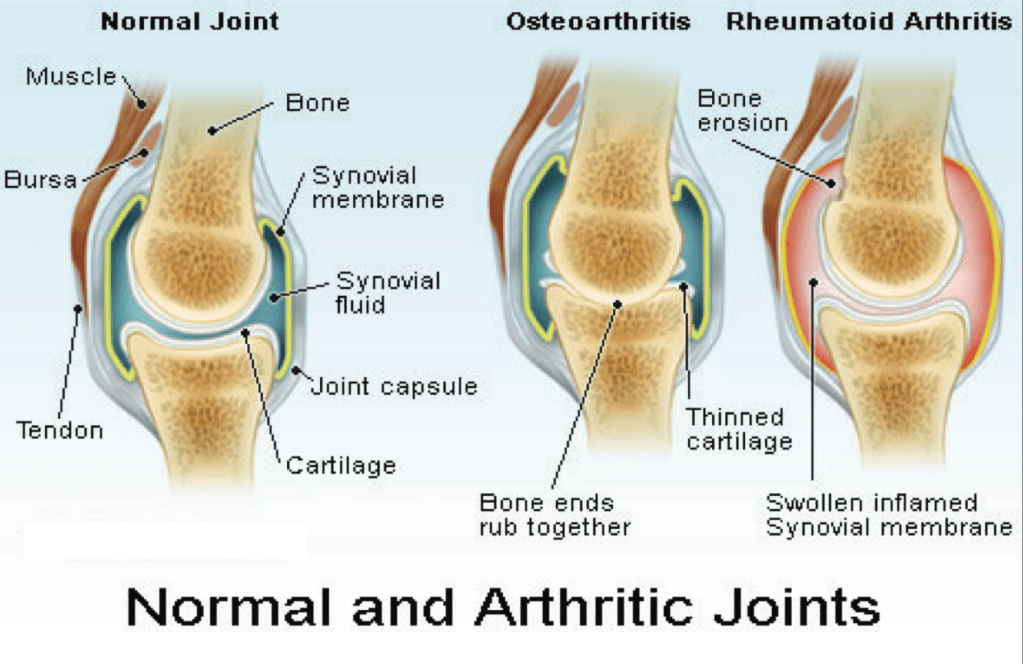
There are 2 types of arthritis – the most common being osteo-arthritis. Caused by wear-and-tear (polio walk) or aggravation on the body part; often in an old injury area, due to lack of the nutrients needed to maintain the joint or an inflammatory reaction to foods we eat or other things we are exposed to in our environment – like changes in weather. It is not the same thing as Osteoporosis.

Rheumatoid arthritis is thought to be caused initially by an infective agent that sets up chronic inflammation. So we need to get rid of the dormant infection and reduce the inflammation. Borax has all of these features.

With knees, hip and shoulder joints, we have extra tendons and ligaments holding the bones in place. This is where gelatine and manganese particularly are needed. Cartilage is like the “plastic” buffer on the end or outside of bone. Gelatine is the precursor for cartilage and bone, as well as being needed for tendons and ligaments. Vitamin C is part of maintaining these structures too – to get better results. Glucosamine (which can be made from glutamine and glucose in the body) plays a role in building cartilage, which is a series of connective tissues located between joints. This cushions the bones as they move along each other. The Glucosamine we are familiar with in shops is a type of amino sugar, which means it contains properties of both proteins and glucose.

Knee arthritis

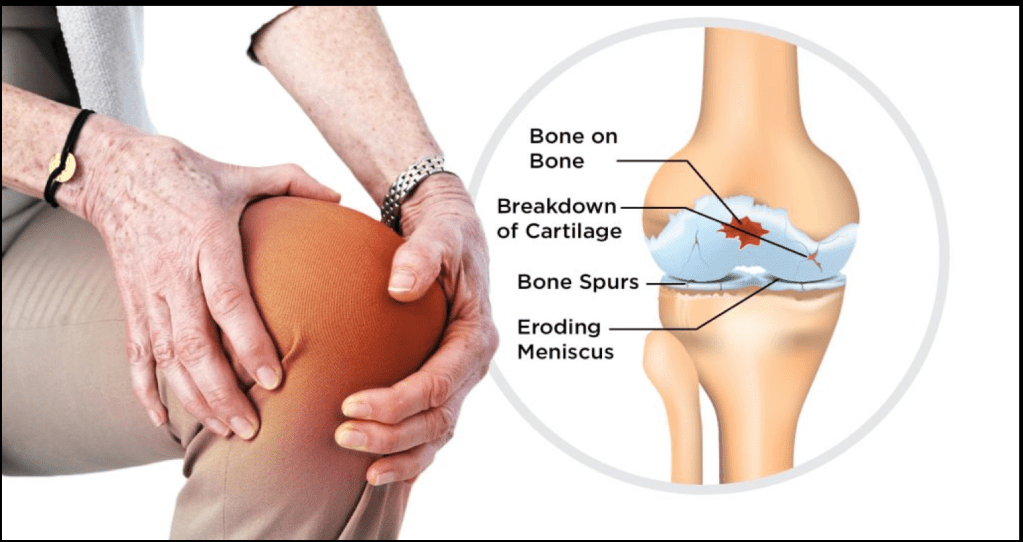
When you get “grating” in a joint then the cartilage has been eroded and “bone-grinding-on-bone” causes bone damage – so borax helps. If you have tight muscles, this makes the tendons (which attach muscle to bone) pull on the attachment site on bone, which stimulates extra bone growth at that point, and this causes spurs! So take extra magnesium to allow the muscle to relax and to stop cramps.

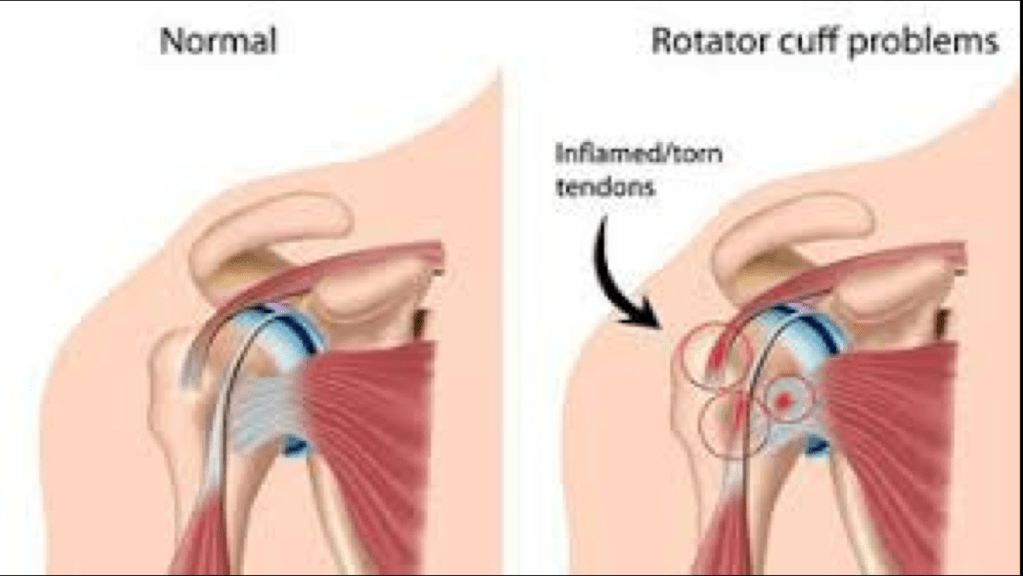
Shoulder pain can be caused by injury – pulled, strained, torn, by twisting the tendons and ligament or by lifting awkwardly. We use our arms to help us stand, to reach out, to use walking sticks or elbow crutches and walking frames. Manganese, gelatine and Vitamin C, all together, over time, will help to repair damage to tendons. If you get a sharp stabbing pain, then either a nerve is being trapped or there is inflammation in the synovial membrane. For either of these causes, Vitamin B6 is the answer. The taste will tell you. The sweeter B6 tablets taste, the more you need. They taste really YUK when you don’t need B6. Your body is very good at letting you know – to take it or not?

Rotator cuff

I have found that an ache in shoulder or hip joints that was waking me up after lying on them for a while, does respond well to taking regular gelatine in a hot drink daily – no pain! It was not arthritis as such – just the tendons complaining.

Pain management

Pain can be a very useful tool for our body to tell us that something is wrong, or that we need to protect ourselves. Pain signals from our hand when we accidentally touch the stove prevents a more serious burn. Pain signals from our sprained ankle encourage us to rest until healing has started.

But sometimes nerves can send pain signals when the nerve itself is faulty. Nerve damage or neuropathy can occur when the myelin sheath around the nerve cells deteriorates – think of the insulation layer around the electric cables feeding your toaster or your computer. As the nerve damage gets worse, they nerve might stop functioning (numbness) or might start sending false signals (tingling, itching or pain). Crumbling insulation means the wire can short-circuit.

High blood sugar levels damage the longest nerves first – such as those supplying your feet and hands. Some studies suggest that Carnitine may help to reduce pain and numbness, or even help nerves to regenerate.

The brain has options for interpreting pain signals, and neuroplasticity can be a helpful tool in pain management.

Vitamin A needed for Eyes

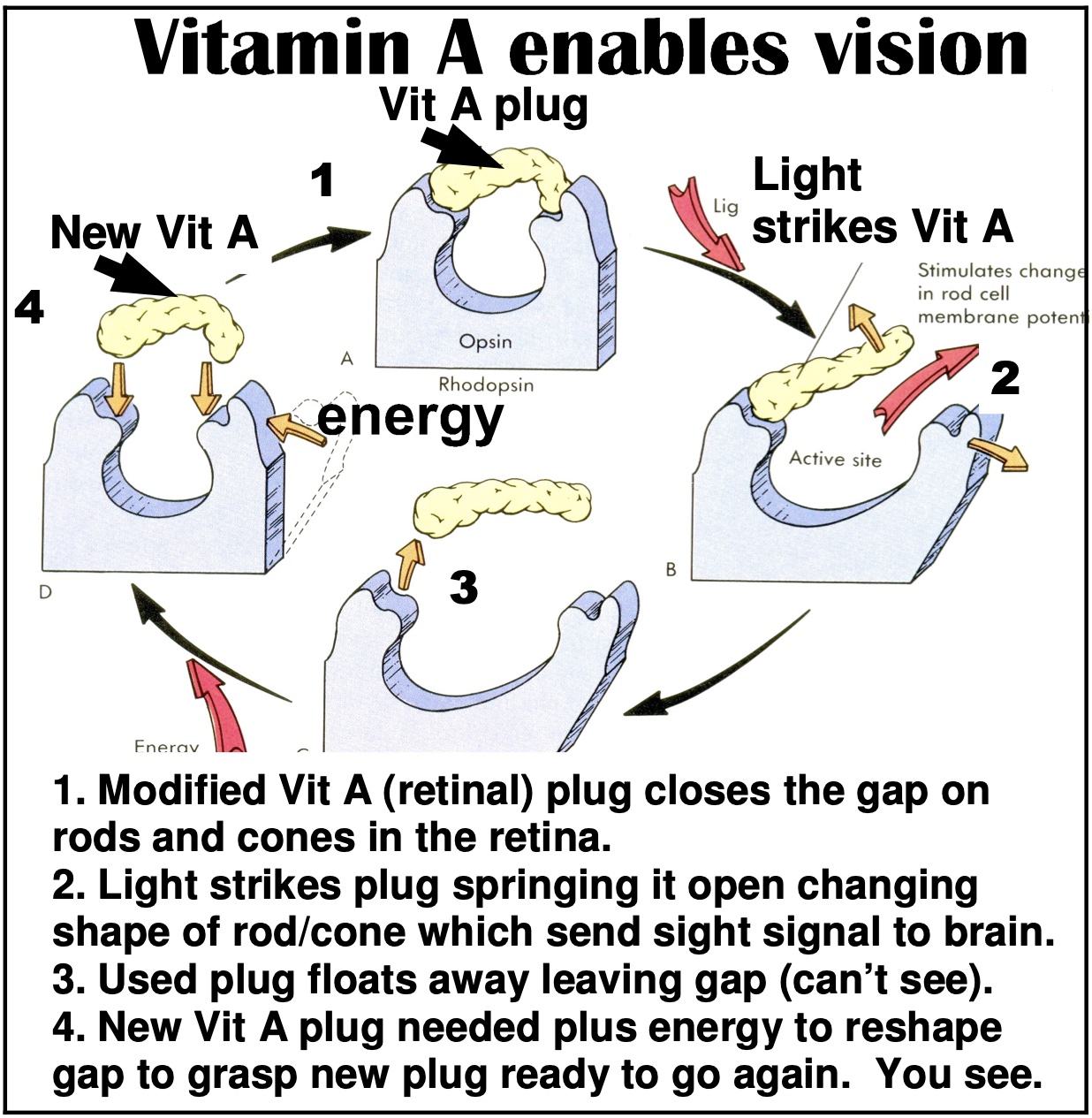
Vitamin A helps the retina function properly, which is essential for good vision and the prevention of night-blindness. It also lessens the risk of age-related macular degeneration and cataracts.

Zinc deficiency can interfere with vitamin A metabolism in several ways:
(1) Zinc deficiency results in decreased synthesis of retinol-binding protein which transports retinol through the circulation to tissues (eg the retina) and also protects against potential toxicity of retinol; 
(2) Zinc deficiency results in decreased activity of the enzyme that releases retinol from its storage form, retinyl palmitate, in the liver;
(3) Zinc is required for the enzyme that converts retinol into retinal, as needed for sight.

The cornea, the outer lining, also needs Vitamin A to keep its cells healthy. Lack of Vitamin A causes dryness, ulceration, scarring to the cornea and eventually blindness. So dry eyes and dryness to any body linings (dry mouth, dry skin etc) are all due to lack of Vitamin A. Without Vitamin A, mucous-forming cells in the cornea deteriorate. The eye can no longer produce enough tears or mucous needed to lubricate the eye and wash away bacteria.

Dry eyes

Dry Eyes Explained

We have had a disturbing number of people complaining of red, itchy, gritty or bloodshot eyes lately. Probably made worse by working on computers, watching TV, or just not getting enough sleep.

Even more disturbing are the numbers who are sent to eye specialists for these problems and end up on umpteen lots of eye drops that don’t really help – some even causing glaucoma. As soon as they take some supplemental Vitamin B2, (100mg – 400mg) the eyes clear up in no time. I should know. Over the years, working late on the computer writing up newsletters and information booklets, I too end up with any of these symptoms. Even bloodshot eyes can resolve in a few hours after taking extra B2.

I recently came across a book on homocysteine – high levels of which predispose to heart disease, stroke etc and as well as needing B6, B12 and folic acid to detox homocysteine (being researched at RPH last 5 years), we also need zinc and B2. So if you have any of these symptoms, – do your heart (and eyes) a favour and take some B2 now before it is too late!

Colds, flu, winter ills

No one wants to be sick, but especially if you use public transport or look after grandchildren – you will have trouble at some stage. Avoid crowds. Wash your hands. And check out this article on first aid for winter ills.

Not all coughs are caused by infection, so consider these other causes; medications, asthma, or congestive heart failure.

You may want to consider the source of cravings to help work out how to improve your resistance to infection.

Dental anaesthetics

Preventing complications in polio survivors undergoing dental procedures

Richard L. Bruno, Ph.D.

Lincolnshire Post-Polio Library copy by arrangement with the Harvest Center Library. As the original source is no longer live

  • Director: Post-Polio Rehabilitation and Research Service, Kessler Institute for Rehabilitation – Saddle Brook
  • Associate Professor: Clinical Physical Medicine and Rehabilitation, New Jersey Medical School/UMDNJ
  • Chairperson, International Post-Polio Task Force

Unfortunately, only a handful of specialists treat Post-Polio Sequelae (PPS) – the unexpected and often disabling fatigue, muscle weakness, joint pain, cold intolerance, and swallowing, sleep and breathing problems – occurring in America’s 1.63 million polio survivors 40 years after their acute polio. [1,2] However, all medical professionals need to be familiar with the neurological damage done by the original poliovirus infection that today causes unnecessary discomfort, excessive physical pain and occasionally serious complications with surgery. This is a brief overview to inform patients and professionals about the cause and prevention of complications in polio survivors undergoing dental surgery.

PRE-OPERATIVE PREPARATION

The pre-operative period is the most important, since it is when polio survivors must establish communication with their dentist or oral surgeon. Patients need to ask the dentist to read this article and the references cited. Then, patients must meet with the dentist (and anesthesiologist, if one will be involved) to discuss in detail patients’ complete polio and general medical histories and the problems that may arise before, during and after the procedure.

The Psychology of Polio Survivors. Polio survivors often have difficulty with any medical procedure, even dental surgery. They may have insomnia, anxiety, and even have panic attacks. These symptoms are easy to understand when it is remembered that as young children, polio survivors were ripped away from their families and underwent multiple surgeries and painful physical therapy, procedures administered often without explanation and certainly without their consent. [2,3,4] Questions or complaints about painful and frightening procedures were not infrequently met by staff anger or even physical arose.

It is not surprising that polio survivors can be terrified of again becoming powerless patients at the mercy of medical professionals. The dental staff’s appreciation of the childhood trauma polio survivors experienced, and taking a moment to actually listen and respond to the real needs of the adult post-polio patient, will go far toward making the patient feel safer and more comfortable.

Breathing and Swallowing. We recommend that all polio survivors have pulmonary function studies before surgery, especially if a gaseous anesthetic will be used. [5] This is vital for those who had bulbar polio, which affected the respiratory centers in the brain stem, whether or not patients used a respirator or an iron lung following the acute polio. Even patients who have (or had) neck, arm or chest muscle weakness or have swallowing problems should have their lung function tested, since even these individuals may have difficulty breathing or clearing secretions (swallowing saliva) during or after the procedure. Polio survivors with a lung capacity below 70% may need respiratory therapy or even a respirator after surgery if a gaseous anesthetic was used. [1] Of course, polio survivors who use a respirator during the day or at night must discuss their respirator use in detail with their dentist, anesthesiologist, and their own pulmonologist before any surgery. [5]

It should also be noted that breathing and swallowing can be compromised in those who had bulbar polio or chest wall paralysis, not only by anesthetics, but also merely by reclining in the dental chair. Polio survivors often have difficulty breathing or swallowing saliva when reclining. A comfortable reclined position must be identified before the procedure begins. And the procedure may need to be interrupted frequently to allow the patient to breath fully and to swallow. Also, a number of polio survivors have experienced severe neck or back pain following lengthy procedures, since their muscles spasm easily when placed in unusual or awkward positions, including hyperextension (extreme bending backward) of the neck.

Physical Assistance. Transferring to and from the dental chair are important considerations for polio survivors who have long-standing paralysis, newly weakened muscles or joint instability and pain due to PPS. Some patients may not be able to stand or pull themselves into the dental chair. Thus, polio survivors must ask for help in transferring, especially after the procedure when they are still partially anesthetized.

Polio survivors, who typically never ask anyone for help under any circumstances, need to find a phrase with which they are comfortable that will communicate their needs. Long explanations about having had polio or PPS or the specifics of which muscles are weak or paralyzed are not necessary. For example, a simple “My legs (arms) are paralyzed and I can’t get into/out of that chair. I will need help” should suffice. This phrase may have to be repeated before the polio survivor will be assisted.

If the professional replies, “Oh, I bet you can do it by yourself if you try!” or “Don’t expect me to lift you,” an appropriate response is “I cannot get into the chair. Please ask someone else to help me or let me speak to the doctor.” A pleasant but steadfast refusal to do difficult or dangerous transfers is the polio survivor’s best defense against injury before or after the procedure.

General Anesthetics. Polio survivors are exquisitely sensitive to anesthetic. It has been known for 50 years that the poliovirus damaged the area of the brain stem – called the reticular activating system (RAS) – responsible for keeping the brain awake. [6,7] Because the RAS was damaged in those who had paralytic and non-paralytic polio, a little anesthetic goes a long way and lasts for a long time.

For example, the pre-operative medication used to ‘calm’ patients – often a combination of Valium® and Demerol® – may by itself put polio survivors to sleep for 8 hours. Such excessive and prolonged sedation can also occur when I.V. Valium® is used alone. Add to a pre-operative ‘calming cocktail’ an intravenous anesthetic (like sodium pentothol) or a gaseous anesthetic, and polio survivors have been known to sleep for several days. In addition, polio survivors with respiratory problems may have trouble clearing gaseous anesthetics. A number of our patients have awakened from anesthesia on a respirator in I.C.U. to the frightened faces of their family, surgeon and anesthesiologist several days after surgery.

Here is the first of rule of thumb – we call them ‘Rules of 2’ – for polio survivors’ having surgery:

GENERAL ANESTHETIC RULE OF 2:

Polio survivors need the typical dose of general anesthetic divided by 2.

This first ‘Rule of 2’ is certainly not intended to dictate the dose of anesthetic, but merely to remind oral surgeons that polio survivors need much less anesthetic than do other patients. This does not mean that a given polio survivor might require less than 1/2 the typical anesthetic dose, or that another won’t need more anesthetic. As always, the dose of anesthetic must be individually adjusted (for body weight, lipid space, etc.) and be adequate to keep patients under during surgery but not cause them to sleep for a week.

Nerve Blocks. Unfortunately, polio survivors also have problems with local anesthetics. While polio survivors are more sensitive to general anesthesia, they seem to require more local anesthetic. Two research studies have shown that polio survivors are twice as sensitive to pain as those who did not have polio, apparently as a result of poliovirus-damage to endogenous opiate-secreting cells in the brain (paraventricular hypothalamus and periaquiductal gray) and spinal cord (Lamina II of the dorsal cord). [6,7,8]

LOCAL ANESTHETIC RULE OF 2:

Polio survivors need 2 times the typical dose of local anesthetic.

However, the injection of a local anesthetic can result in both pain-conducting and motor nerves being anesthetized. Polio survivors are very sensitive to anything that further impairs their poliovirus-damaged motor neurons, and a local anesthetic may cause facial, tongue and pharyngial (throat) muscles to be paralyzed for many hours, impairing swallowing and breathing, especially in those who use accessory (shoulder and upper chest) muscles to assist their diaphragm in breathing.

Also, polio survivors sometimes have adverse reactions – e.g., tachycardia, panic attacks – to the epinephrine that is typically included with the local anesthetic to cause vasoconstriction (narrowing of blood vessels) to prevent the spread of the anesthetic. If additional doses of local anesthetic are required, a preparation without epinephrine may be advisable.

Regardless of whether a local or general anesthetic is used, the following applies:

POST-ANESTHETIC RULE OF 2:

Polio survivors need 2 times as long to recover from the effects of any anesthetic.

Even applying the ‘Anesthetic Rules of 2’ polio survivors may be very sedated, if not asleep, or have their breathing and swallowing impaired for many hours after the surgery. This is one of the reasons why in-office surgery for complicated dental procedures is not advisable for polio survivors. Sleeping, excessively sedated or facially paralyzed polio survivors cannot be expected to return home and take care of themselves after surgery, since sedation-impaired coordination makes falling likely and complications may go unnoticed. In spite of HMO pressure or usual practice, NO POLIO SURVIVOR SHOULD HAVE IN-OFFICE OR SAME-DAY SURGERY except for the most simple procedures that require only a small dose of local anesthetic that does not compromise breathing or swallowing.

Blood and Guts. There are yet additional concerns. Polio survivors with muscle atrophy, especially in the thigh muscles, will have a smaller blood volume than would be expected for their height or weight. Therefore, excessive bleeding during surgery may be more of a problem. Prolonged gum bleeding is also more likely since many polio survivors are taking the maximum dose of non-steroidal anti-inflamatory drugs. The dentist should be informed before the procedure of all medications the patient is taking, including over-the-counter preparations.

Also, polio survivors can be sensitive to atropine-like drugs used to dry secretions during surgery. [9] Atropine-like drugs also slow the gut, and polio survivors may be excessively constipated after surgery or, rarely, actually have their intestines stop moving (paralytic ileus) for a period of time. These problems can be treated symptomatially as they would in someone who did not have polio.

POST-OPERATIVE CARE

Pain. The single most troublesome problem after surgery is pain control. A number of studies have shown that many surgical patients are under medicated for pain. Under medication is a serious problem for post-polio patients since they are twice as sensitive to pain as those who did not have polio. [8]

RULE OF 2 for PAIN:

Polio survivors need 2 times the dose of pain medication for 2 times as long.

Since polio survivors are known to be extremely stoic, they are not likely to abuse or become dependent upon narcotics.

Vomiting. Another post-op problem related to brain stem damage is vomiting. As in anyone who receives a general anesthetic, polio survivors can develop nausea and vomit. However, polio survivors are more apt to faint (have vasovagal syncope and even brief asystoles) when they attempt to vomit. [9] It is very important that post-operative emetic (anti-vomiting) control be discussed and administered before the procedure and that additional medication is provided as needed post-operatively.

Choking. As has been described, polio survivors may not be able to clear secretions, may choke (or feel like they are choking) and even aspirate if they are lying on their backs, still half asleep, as the anesthetic is clearing. Polio survivors’ secretions need to be monitored after the procedure and they should be positioned on their side so that secretions can drain. [10]

RECOVERY

When polio survivors do awaken from a general anesthetic they may still be twice as sedated as are other patients. Since polio survivors need a very clear head to be able to control their weakened, polio-affected muscles to stand and walk, a fuzzy-headed polio survivor is at serious risk for falling. Polio survivors may also have low blood pressure after surgery that could itself cause lightheadedness, fainting and falls.

RULE OF 2 for RECOVERY:

Polio survivors need 2 times longer to recover than do other patients.

Under any circumstances, polio survivors should get up slowly after the procedure, first sitting up, then getting into a chair with assistance, then standing with assistance and finally walking with assistance and appropriate assistive devices. Polio survivors have learned to be very aware of what their bodies can and cannot do. They are the best judges of when they can move, stand and walk safely.

Post-Op PPS? The 1985 National Survey of Polio Survivors has shown that emotional stress is the second most frequent cause of PPS (physical overexertion being the first). [4] Certainly, there are few emotional or physical stressor more potent then surgery. So, polio survivors should expect some increase in fatigue and muscle weakness resulting from the combination of the physical and emotional effects of the surgery, anesthesia and other medications. However, patients should be reassured that only a small handful of post-polio patients permanently lose function after surgery. Strength or endurance lost after surgery are typically recovered . Polio survivors need to remember:

RULE OF 2 for FEELING BETTER:

Polio survivors need 2 times longer to feel ‘back to normal’ again.

CONCLUSION

All of the ‘Rules of 2’ are suggestions for polio survivors, the dentist and oral surgeon; they are not intended as substitutes for specific information about the individual patient, communication between doctor and patient, and clinical judgment. All polio survivors must be evaluated and managed according to their individual needs. Please take the time to read the following references (especially those in bold type) so that you will be fully knowledgeable about and be able to help meet polio survivors’ special needs before, during and after dental procedures.

REFERENCES

  1. Bruno RL. Ultimate burnout: Post-polio sequelae basics. New Mobility, 1996; 7: 50-59 [Lincolnshire Library Full Text]
  2. Frick NM, Bruno RL. Post-Polio Sequelae: Physiological and psychological overview. Rehabilitation Literature, 1986; 47: 106 – 111. [Lincolnshire Library Full Text]
  3. Bruno RL, Frick NM. The psychology of polio as prelude to Post-Polio Sequelae: Behavior modification and psychotherapy. Orthopedics, 1991; 14: 1185 – 1193. [Lincolnshire Library Full Text]
  4. Bruno RL, Frick NM. Stress and “Type A” behavior as precipitants of Post-Polio Sequelae. In LS Halstead and DO Wiechers (Eds.): Research and Clinical Aspects of the Late Effects of Poliomyelitis. White Plains: March of Dimes Research Foundation, 1987. [Lincolnshire Library Full Text]
  5. Bach JR, Alba AS. Pulmonary dysfunction and sleep disorder breathing as post-polio sequelae: Evaluation and management. Orthopedics, 1991; 14 : 1329-1337. [Lincolnshire Library Full Text]
  6. Bodian D. Histopathological basis of clinical findings in poliomyelitis. Am J Med. 1949; 6: 563-578. 
  7. Bruno RL, Frick NM, Cohen J. Polioencephalitis, stress and the etiology of Post-Polio Sequelae. Orthopedics, 1991; 14: 1269 – 1276. [Lincolnshire Library Full Text]
  8. Bruno RL, Johnson JC, Berman WS. Motor and sensory functioning with changing ambient temperature in post-polio subjects. In LS Halstead and DO Wiechers (Eds.): Late Effects of Poliomyelitis. Miami: Symposia Foundation, 1985. 
  9. Bruno RL, Frick NM. Parasympathetic abnormalities as post-polio sequelae. Archives of Physical Medicine and Rehabilitation, 1995; 76: 594. 
  10. Bucholtz DW, Jones B. Post-Polio dysphagia: Alarm or caution. Orthopedics, 1991; 14: 1303-1305. [PubMed Abstract]

Bruno RL. Preventing complications in polio survivors undergoing dental procedures. 

PPS Monograph Series. Volume 6(1):1-8. Hackensack: Harvest Press, 1996. 

The Lincolnshire Post-Polio Network
Registered Charity No. 1064177
An Information Service for Polio Survivors and Medical Professionals

All enquiries, book requests, medical article requests, membership fees, items for newsletters and donations to
The Secretary, Lincolnshire Post-Polio Network
PO Box 954, Lincoln, Lincolnshire, LN5 5ER United Kingdom
Telephone: +44 (0)1522 888601
Facsimile: +44 (0)870 1600840
Email: info@lincolnshirepostpolio.org.uk
Web Site: www.lincolnshirepostpolio.org.uk

The Lincolnshire Post-Polio Network takes great care in the transcription of all information that appears at this site. However, we do not accept liability for any damage resulting directly or otherwise from any errors introduced in the transcription. Neither do we accept liability for any damage resulting directly or otherwise from the information available at this site. The opinions expressed in the documents available at this site are those of the individual authors and do not necessarily constitute endorsement or approval by the Lincolnshire Post-Polio Network.


© Copyright The Lincolnshire Post-Polio Network 1997 – 2010. 

Copyright is retained by The Lincolnshire Post-Polio Network and/or original author(s). Permission is granted to print copies of individual articles for personal use provided they are printed in their entirety. Links from other Internet WWW sites are welcome and encouraged. We only ask that you let us know so that we can in future notify you of critical changes. Reproduction and redistribution of any articles via any media, with the exception of the aforementioned, requires permission from The Lincolnshire Post-Polio Network and where applicable, the original author(s).

Document preparation: Chris Salter, Original Think-tank, Cornwall, United Kingdom.
Document Reference: <URL:http://www.zynet.co.uk/ott/polio/lincolnshire/library/harvest/dental.html&gt;
Created: January 1997
Last modification: 29th January 2010.