Caution with drugs and exercise

Polio and Post-Polio Sequelae: The Lived Experience

Dorothy Woods Smith, PhD, RN, AHN-BC, QTTT, Associate Professor Emerita
University of Southern Maine, Portland, ME, 04103

Published in the Journal of Orthopaedic Nursing, Vol.8/No.5, 1989, pp. 24-28
Excerpts from this Journal edition

Treatment for PPS

My concerns are shared by other polio survivors, and are not unfounded. There is general agreement that the vigorous exercise programs, which once helped polio survivors regain function, are contraindicated when weakness and fatigue recur. Both marked aggravation of weakness and permanent loss of function have been reported by people put on vigorous exercise regimens (Halstead and Rossi, 1985). Swimming in warm water is the most widely recommended exercise to promote comfort and flexibility, since cardiorespiratory function can be maintained while mechanical stresses to the musculoskeletal system are minimized. Gentle stretching exercises may also promote comfort. Fatigue and chilling should be avoided and no exercise should be continued past pain, or resumed while pain is present.

Before attempting to treat pain, it is important to determine its origin.

Pain may be associated with years of functional misuse, for example soft tissue problems from weight bearing by the shoulders, and carpal tunnel syndrome from using canes or crutches (Maynard, 1988). This type of pain may be diminished by the use of orthotics and adaptive aids. Inflammatory musculoskeletal pain syndrome will frequently respond well to rest, modified activity, moist or dry heat, or anti-inflammatory drugs. Postwood (1987) reports success treating post-polio musculo-skeletal pain and neuralgias using acupuncture or tricyclic antidepressants to increase the body’s serotonin levels. Other pain relief modalities reported to be meeting with some success include TENS units, ultrasound and neuroprobe treatments, acupuncture and acupressure, therapeutic touch and biofeedback.

Drugs should be used by polio survivors with caution. My own experience with Valium, prescribed in the early seventies for muscle spasm, led to a month’s hospitalization for unremitting muscle spasm. The drug, increased gradually from 10 to 40 mgm. per day when the spasms continued, acted paradoxically, and created not only increased fatigue and pain but also a concomitant depression. I had somehow blamed myself for allowing this to happen until 1987, when I attended the international polio conference in St. Louis, where I first heard that Valium has been associated with increased weakness and increased spasm in some patients. Narcotics and other drugs which can lead to addiction are contraindicated because of the long-term nature of the needs.

There have also been numerous anecdotal reports of respiratory problems associated with the use of curare-type drugs and general anesthesia, and of polio survivors being unable to regain previous levels of muscle strength following surgery.

Information for clinicians

J. M. Walker, PhD, PT, C. McGowan & G. Vardy
School of Physiotherapy, Dalhousie University

Leaflet published by Nova Scotia Polio Survivors Support Group, 1996
Lincolnshire Post-Polio Library version by kind permission of J. M. Walker

Concerns of Polio Survivors that may require attention

As a result of the polio epidemics in the 1940’s to 1961 affected individuals underwent a variable period of rehabilitation and got on with their lives to the best of their abilities. While some exhibited obvious weakness as a result of the damage and loss of anterior horn cells, possibly wearing braces, or using ambulatory aids, many appeared to have a full recovery. The latter however was deceptive. Individuals with Grade 5 muscle strength (normal) may only have 60% of the normal complement of anterior horn cells. These individuals have been functioning for several decades at almost 100% of capacity; many are now wearing out and showing new health problems related to their prior poliomyelitis infection.

Late effects of poliomyelitis may include:

  • extreme fatigue
  • new muscle weakness which may involve muscle groups thought to be originally unaffected 
  • muscle and joint pain: due to overuse and possibly abnormal biomechanics, limb alignment 
  • cold intolerance
  • respiratory difficulties
  • coughing & swallowing problems
  • decreased balance

Response to Medications: special attention is needed

Polio survivors and particularly those showing post polio sequelae, possibly diagnosed with post polio syndrome (PPS) may be more susceptible to adverse drug reactions. As polio survivors are often operating at or near their maximum level of function when performing even the simplest of daily routines, certain medications can seriously impair their functioning. Common medications may have this effect.

Emergency / Surgery medications which should be used with greater caution are:

  • analgesics (narcotics): depress an already weakened cough reflex; increase muscle weakness & decrease ability to breathe, cough, perform basic activities (walking, eating, sitting, toileting). 
  • analgesics (non-narcotic): dizziness, allow over strain of unstable joints. 
  • muscle relaxants: may further impair voluntary breathing, coughing, ADLs. 
  • sedatives, hypnotics: decrease respiratory drive. 

Medications administered in the emergency setting to be taken for long term use should be only given to the patient in partial allotment. The patient should be advised to consult their family physician (? Neurologist) to determine if that medication will pose any potential risk, considering their polio history. Lower than usual doses may be adequate.

Special Considerations for the patient who is a polio survivor & especially those with PPS

Pulmonary function:

  • may be challenged due to respiratory muscle paresis. 
  • sleep apnoea may be experienced 
  • may require ventilatory support.
  • breathing & coughing exercises may cause fatigue and aggravate breathing problems. 

Use of anaesthetic should be carefully monitored because its effects are heightened & prolonged in the patient with PPS or respiratory paresis.

Swallowing & coughing difficulties: Pharyngeal & laryngeal muscle weakness (patient may not be aware of) may cause a decreased cough reflex & increased risk of aspiration.

When intubating these patients, take the diminished cough reflex into consideration.

Weakness & fatigue:

  • often associated with stress 
  • may be due to chronic strain & overuse 
  • may be accompanied by decreased arousal, attention and memory 

If casting is required, patients will benefit from the use of fiberglass casts

A wheelchair or other ambulatory aids may be needed

The patient who just managed to be independent may not be able to with a cast

May require an extended stay

Cold Intolerance:

  • limbs with paresis or paralysis have poor circulation, be normally cool or cold. 
  • greater heat loss is experienced which decreases dexterity & strength, heightens fatigue 
  • Use of vasodilators increases the risk of postural hypotension and further heat loss

Extra blankets may be required to ensure adequate insulation.

Pain:

  • may result from muscle weakness, degenerative joint changes or nerve compression 
  • analgesics may enhance weakness greater than pain relief benefit

Interaction between pain relief and person’s fatigue levels and muscle weakness must be considered

Energy conservation is important. May need to use wheelchair rather than walk, sit not stand, lie down not sit, need regular rest periods & not be woken during rest periods.

Important questions to ask of patients in the Emergency Care setting

  • Have you ever had poliomyelitis? (specially if over 40 years of age
  • Are you currently on any medication(s)? 
  • Are you adversely affected by any medications, eg. analgesics, sleep drugs? 
  • Do you experience unusual fatigue (excessive after activity)? Do you have to intersperse periods of activity with periods of rest? 
  • Were your breathing or swallowing muscles affected? Do you now have any breathing or swallowing difficulties? 
  • Do you have problems sleeping? Do you wake up frequently during the night? 
  • Do you experience chronic pain? Is it increased with activity, exercise? 
  • Are you frequently cold? 

Polio survivors may carry an Injury Control Checklist which provides a list of contacts for additional information in the case of an emergency.

For further information contact:
Nova Scotia Polio Survivors Support Group
c/o Abilities Foundation of Nova Scotia
3670 Kempt Rd., Halifax, N.S. B3K 4X8

J.M.Walker Ph.D., PT, C. McGowan & G. Vardy
School of Physiotherapy

4th Floor, Forrest Building,
Dalhousie University,
5869 University Ave.,
Halifax, NS Canada B3H 3J5

Medications after Polio

Susan Perlman MD

This article is reprinted from “Polio Network News”, Winter 1999, Vol. 15, No. 1, with permission of Gazette International Networking Institute (GINI), 4207 Lindell Blvd., #110, Saint Louis, Missouri 63108-2915, USA. Permission to reproduce the article must be sought from GINI. I have tried to find the source so that it could be linked (more appropriately) from this website, but it seems to be too old? However, there are many excellent publications to be found at the website that GINI has evolved to.

Susan Perlman MD is Associate Clinical Professor of Neurology and Director of the Post-polio Clinic at the University of California Los Angeles (UCLA). Since 1988, the clinic has evaluated and treated 600 polio survivors, with an approach combining neurological assessment, neuro-rehabilitation techniques, medication intervention, and consultation with associates in orthopedics, medicine, sleep disorders, psychology, and alternative (complementary) medicine. The clinic coordinates with the dedicated support groups in southern California and offers educational outreach to the health care community.

Post-polio syndrome is a constellation of new symptoms (fatigue, weakness, pain, cold intolerance, muscle atrophy, or new problems with activities of daily living), occurring in survivors of definitively (by history, exam, or electrical studies) proven acute poliomyelitis, after a period of at least 15 years of stable recovery and performance, and in the absence of any other medical or neurological condition. It is felt to result from the weakening and loss of previously recovered lower motor neuron connections to muscle, possibly due to aging, greater fragility of the recovered nerves, or immune system dysregulation. Onset can be insidious, progression is usually slow, and treatment is most successful with rehabilitation strategies.
Until we better understand the causes of post-polio syndrome, we will have no curative medication. At best, we can use medication to treat the symptoms and to improve the quality of life, and we can avoid using medication that could make the symptoms worse. Certain other diseases (elevated blood cholesterol levels, high blood pressure, heart disease, and cancers) require use of medications with side effects that can exacerbate symptoms of post-polio syndrome. These should be used, but with careful monitoring of the polio survivor’s functioning.

Symptomatic Medication

The three primary symptoms that we can treat with medication are weakness of muscle, fatigue (individual muscle and generalized), and pain, that is, post-polio pain, overuse pain, bio-mechanical pain, and bone pain (Gawne, AC, 1995).

Drugs to reverse muscular atrophy or to improve muscle strength by stimulating motor nerve endings to reconnect with muscle fibers (nerve growth factors) are all still experimental. They are currently being tested for use with other motor nerve diseases. Only insulin-like growth factor type 1 (IGF-1), also known as myotrophin or somatomedin-C, has been tested in people with post-polio syndrome (Miller, RG, 1997) (see chart on page 6). It brought no change in strength or fatiguability, but did improve recovery from fatigue after exercise. Human growth hormone has been given to increase a person’s natural level of IGF-1, but showed little or no improvement in strength (Gupta, KI, 1994).

Another approach has been to develop and test drugs that would protect the nerve-muscle connection from new damage in the first place (neuro-protective agents). Again, several have been studied in other diseases, but only selegiline has been tested in post-polio syndrome, bringing some improvement in symptoms but no clear stabilization of the disease (Bamford, CR, 1993). Although many people use over-the-counter anti-oxidant preparations of various types, these have never been formally tested to prove any ability to slow down the changes of post-polio syndrome.

Anabolic steroids, often used by body builders to improve muscle bulk and power, have been tried by polio survivors and other persons with neuromuscular diseases, but The Medical Letter on Drugs and Therapeutics reports the side effects (risk of prostate cancer in men, masculinization in women) greatly outweigh the potential benefits. Metabolic stimulants(L-carnitine*, L-acylcarnitine, coenzyme Q), used to improve the ability of muscle to make energy and possibly reduce fatigue and improve strength, have also been tried by polio survivors, but have been associated with rare allergic reactions and insomnia (Lehmann, T, 1994; Nibbett, JI, 1996).

Specific anti-fatigue drugs can act either in the brain itself (on pathways controlled by dopamine and noradrenaline) or by improving communication at the nerve-muscle connection. These are, respectively, central and peripheral agents. Centrally-acting anti-fatigue medications include amantadine, bromocriptine, selegiline, pemoline, ephedrine, and certain antidepressants (selective seretonin re-uptake inhibitors, which may also have nonadrenaline activity). All have been tested in other fatiguing neurologic illnesses, but only the first three have been studied in post-polio syndrome. Amantadine provided no reduction in fatigue (Stein, DP, 1995), but bromocriptine (Bruno, RL, 1996) and selegiline (Bamford, CR, 1993) did. Several studies have been done using pyridostigmine, a peripherally-acting drug, (Trojan, DA, 1993, 1995; Seizert, BP, 1994; Trojan, DA, 1997) that reflected variable effects on fatigue, possible mild improvement in strength in very weak muscles, and notable side effects (primarily gastrointestinal) .

When contemplating the use of anti-fatigue drugs, we first treat any concomitant problems (other medical or neurological illnesses, sleep disorders, depression) that could be adding to fatigue.
When rehabilitation techniques have not given adequate pain relief and medications must be used, we determine where the pain is coming from before choosing the most specific treatment agents. In our experience, for true post-polio muscle pain, centrally acting, non-narcotic drugs work best (serotonin-stimulating medications, for example tricyclic antidepressants, clonazepam tramadol; central nerve relaxants, for example baclofen, tizanidine; nerve stabilizers, for example anticonvulsant drugs like carbamazepine or gabapentin).

Fortunately, we have no drug for overuse pain. If we did, using it would be like taking the batteries out of a smoke detector because it is noisy at night. This pain makes polio survivors aware that they are overdoing and need to cut back.

Biomechanical pain resistant to non-drug strategies may respond to short-term use of non-steroidal anti-inflammatory drugs (NSAIDs). Some survivors may experience the side effect of gastrointestinal problems.

Joint-related pain may require cautious long-term anti-inflammatory therapy. When a true analgesic is required, whether it is as simple as acetaminophen or as strong as a narcotic, it should be taken in moderate amounts and on a schedule, not just when the pain is so severe that a higher dose is necessary. If taken together, mild anti-histamines or anti-anxiety medication may make pain-killers work better and at a lower dose, but do have their own side effects.

Acupuncture, electro-acupuncture, acupressure massage, and possibly magnetic therapy may work on painful muscle areas along the same pathways as narcotics, and all have been tried in post-polio syndrome. Pain caused by fibromyalgia may respond to low, bedtime doses of amitriptyline (Trojan, DA, 1994).

Cautions about Medications

Many drugs may have drowsiness as a side effect or may increase fatigue within the general population. (Always check the label or ask the pharmacist or physician.) These include central nervous system (brain) depressants, for example narcotics, sedatives, tranquilizers, sleeping pills, and alcohol; antihistamines; antidepressants; and anti-anxiety agents. Polio survivors who take these medications may experience an increase in polio-related weakness and fatigue.

Diuretics (water pills) and laxatives may deplete the body of essential minerals required by nerves and muscles for normal functioning. Many other drugs (antibiotics, chemotherapy agents, even mega doses of some vitamins, for example B6) can contribute to nerve damage. Muscle relaxants and drugs similar to them in chemical structure (quinine, quinidine, procainamide), as well as other medications used for heart or blood pressure problems (beta-blockers, calcium channel blockers), may add to polio-related weakness and fatigue.

Anecdotal evidence suggests that cholesterol-lowering medications of the “statin” family may also increase polio-related weakness and fatigue. Polio survivors, particularly those with a lesser muscle mass, have reported fewer and less dramatic side effects from some medications when taking a lower dose.

Polio survivors and their physicians should scrutinize all medications – current and newly added – used to treat various medical problems to be assured that related conditions, such as fibromyalgia, elevated cholesterol, high blood pressure, etc., are appropriately treated, but with minimal effect on polio-related symptoms. ·

  1. Stein DP et al. A double-blind, placebo-controlled trial of amantadine for the treatment of fatigue in patients with the post-polio syndrome. Ann NY Acad Sci 1995;753:296-302.
  2. Dinsmore S et al. A double-blind, placebo-controlled trial of high-dose prednisone for the treatment of post-poliomyelitis syndrome. Ann NY Acad Sci 1995;753:303-313.
  3. Gupta KL et al. Human growth hormone effect on serum IGF-1 and muscle function in poliomyelitis survivors.Arch Phys Med Rehabil 1994;75:889-894.
  4. Bruno RL et al. Bromocriptine in the treatment of post-polio fatigue. Am J Phy Med Rehabil 1996;75:340-347.
  5. Bamford CR et al. Postpolio syndrome response to deprenyl (selegiline). Int J Neurosci 1993;71:183-188.
  6. Trojan DA et al. Anticholinesterase-responsive neuromuscular junction transmission defects in post-poliomyelitis fatigue. J Neurol Sci 1993;114:170-177.
  7. Trojan DA, Cashman NR. An open trial of pyridostigmine in post-poliomyelitis syndrome. Can J Neurol Sci 1995;22:223-227.
  8. Seizert BP et al. Pyridostigmine effect on strength, endurance, and fatigue in post-polio patients (Abstract). Arch Phys Med Rehabil 1994;75:1049.
  9. Miller RG et al. The effect of recombinant insulin-like growth factor 1 upon exercise-induced fatigue and recovery in patients with post polio syndrome (Abstract). Neurology 1997 (in press).


© Copyright 1997. BioScience Communications, a division of Edelman Healthcare Worldwide. All rights reserved.

Cholesterol

Dr. Richard Bruno is Chairperson of the International Post-Polio Task Force and director of The Post-Polio Institute and International Centre for Post-Polio Education and Research at Englewood (NJ) Hospital and Medical Center. His book, How to STOP Being Vampire Bait: Your Personal Stress Annihilation Program, published in 2004. E-mail him at ppsforum@newmobility.com.

Note: This column is for information purposes only and is not intended as a substitute for professional medical advice.

Q: I have been taking a statin drug to lower my cholesterol for several years. I recently started to have muscle pain in both arms and went to my doctor. He did blood tests and said the statin wasn’t causing the pain. But, he discontinued the drug and, after a few days, the pain went away. Was the statin causing the pain or was it a coincidence? 

Problems with cholesterol lowering drugs in polio survivors redux … again!

I’ve written two columns about cholesterol-lowering drugs potentially causing unique problems in polio survivors. The first column was published five years ago. The buzz in the post-polio community then was that rhabdomyolysis — a very serious condition where kidney and muscle tissues breakdown — occurred more frequently in polio survivors who take statins, the then newish cholesterol-lowering drugs. There have been no specific studies of cholesterol-lowering drugs in polio survivors, but there seemed to be no reason polio survivors should be more prone to rhabdomyolysis. Only about one-half of 1 percent of anyone who takes a statin, such as Lipitor, develops rhabdomyolysis, which can indeed cause muscle pain (usually in the calves), muscle weakness and possibly even kidney failure. With rhabdomyolysis, the enzyme creatine phosphokinase (CK, also called CPK) is released as muscle breaks down, CK sometimes increasing more than ten times the normal limit. 

You should be aware that polio survivors can have an elevated CK without taking a statin. Two studies have found that 40 percent of polio survivors had abnormally elevated CK, with men having significantly higher CK than did women. In one study, CK increased with the number of steps polio survivors walked in a day. In 50 polio survivors seen at the Post-Polio Institute who were not taking statins, 21 percent had an abnormally elevated CK of about 225, which is one-third higher than normal, but not 10 times higher. Still, an elevated CK may mean that polio survivors are making their muscles work too hard and causing the fibers to break down, but isn’t evidence of rhabdomyolysis. Regardless, your CK was normal and you had arm muscle pain — not calf pain — that went away when you stopped the statin. Drug companies are now reporting that statins can cause muscle pain anywhere in the body, not just in the calves, without causing muscle breakdown or elevating CK. An exception is Zocor, which, although it can cause rhabdomyolysis, is reported by its manufacturer to cause muscle pain no more frequently than in those taking placebo.

Newer cholesterol-lowering drugs, the fibrates (Tricor and Lopid), also can cause rhabdomyolysis, elevated CK and “diffuse muscle pain, tenderness and weakness.” Even one of the oldest cholesterol-lowering drugs, the bile-acid sequestrant Welcol, is reported to cause muscle pain in 2 percent of people taking it versus none of those on placebo. What’s more, the cholesterol lowering B vitamin, Niacin, has also been reported to cause “pain,” although no more frequently than in those taking a placebo. The good news is that the newest cholesterol-lowering drug, Zetia, is said to produce “no excess” rhabdomyolysis or increase in CK, and produced only slightly more (.04 percent) muscle pain than did placebo. 

Whatever drug you chose with your doctor, remember that rhabdomyolysis and muscle pain are more likely if you’re taking a combination of cholesterol-lowering drugs, calcium channel blockers, immune system inhibitors, certain antibiotics or antifungal drugs, have kidney disease, diabetes, a slow thyroid or drink more than a quart of grapefruit juice a day. If you’re taking a cholesterol-lowering drug and feel muscle pain, even if you’ve been on the medication for a while, stop the drug immediately and call your doctor.

Also, remember that there is more to managing cholesterol than taking a pill. Reducing saturated fat and eating foods high in soluble fiber — such as cereal grains, beans, peas, legumes, and fruits and vegetables — can help lower triglycerides and the “bad” low-density cholesterol (LDL) while raising the “good” high-density (HDL) cholesterol. It is also recommended that you lose weight, decrease stress, treat high blood pressure, stop smoking and have a five-ounce glass of wine with dinner.

By following these suggestions and The Post-Polio Institute diet that recommends eating more protein, especially at breakfast and reducing carbs and portion size, you can lose weight, fuel your neurons to feel less fatigue and muscle weakness, while keeping your plumbing clear of cholesterol. 

Despite all the hype around about the need for statins to lower cholesterol and the push by drug companies and the media for everyone to take statins to prevent heart disease, is there really another side to all this.

Iodine the antiseptic

Iodine is by far the best antibiotic, antiviral and antiseptic of all time. 
                                                   Dr. David Derry

    The antiseptic properties of iodine are used to sterilize every surface and material in hospitals. Iodine is an excellent microbicide with a broad range of action that includes almost all of the important health-related microorganisms, such as enteric bacteria, enteric viruses, bacterial viruses, fungi and protozoan cysts.[v] The minimum number of iodine molecules required to destroy one bacterium varies with the species. For H. influenzae it was calculated to be 15000 molecules of iodine per cell. When bacteria are treated with iodine, the inorganic phosphate up-take and oxygen consumption by the cells immediately ceases. [vi]

  Though iodine kills all single celled organisms such as these it is not exploited for internal use by modern day physicians to combat internal infections, which of course is a great mistake. Dr. Derry says iodine is effective “for standard pathogens such as Staphylococcus, but also iodine has the broadest range of action, fewest side effects and no development of bacterial resistance.” Some doctors have reported that it is excellent for the treatment of mononucleosis.   

Iodine is able to penetrate quickly
 through the cell walls of microorganisms.

     Iodine is a deadly enemy of single cell microorganisms thus it can be our best friend. Iodine was not available to these life forms at the beginning of evolution and it was not until seaweed concentrated it did it become involved in higher life forms. It is for this reason that the simplest level of life cannot tolerate iodine. Iodine kills single celled organisms by combining with the amino acids tyrosine or histidine when they are exposed to the extra-cellular environment. All single cells showing tyrosine on their outer cell membranes are killed instantly by a simple chemical reaction with iodine that denatures proteins. Nature and evolution have given us an important mechanism to control pathogenic life forms and we should use it and trust it to protect us in ways that antibiotics can’t. As we shall see directly below, so powerful is iodine in a protective sense that it also helps us rid the body, not only of harmful chemicals and heavy metals, but also rids the body of abnormal cells meaning it qualifies as an anticancer agent.

      Elemental iodine is a potent germicide with a wide spectrum of activity and low toxicity to tissues. A solution containing 50 ppm iodine kills bacteria in 1 min and spores in 15 min. It is poorly soluble in water but readily dissolves in ethanol, which enhances its antibacterial activity. Iodine tincture contains 2% iodine and 2.4% sodium iodide (NaI) dissolved in 50% ethanol; it is used as a skin disinfectant. Strong iodine tincture contains 7% iodine and 5% potassium iodide (KI) dissolved in 95% ethanol; it is more potent but also more irritating than tincture of iodine. Iodine solution contains 2% iodine and 2.4% NaI dissolved in aqueous solution; it is used as a nonirritant antiseptic on wounds and abrasions. Strong iodine solution (Lugol’s solution) contains 5% iodine and 10% KI in aqueous solution. Iodophores (eg, povidone-iodine) are water-soluble combinations of iodine with detergents, wetting agents that are solubilizers, and other carriers. They slowly release iodine as an antimicrobial agent and are widely used as skin disinfectants, particularly before surgery.  

Medical iodophobia has reached pandemic proportions. 
It is highly contagious and has wreaked havoc on the
practice of medicine and on the U.S. population. 
                                                                                    Dr. Guy Abraham

    According to current W.H.O. statistics more than 3 billion people in the world live in iodine deficient countries and it is known that deficiencies of selenium, vitamin A and iron may exacerbate the effects of iodine deficiency. In the analysis of ‘National Health and Nutrition Examination Surveys’ data of moderate to severe iodine deficiency is present now in a significant proportion of the U.S. population, with a clear increasing trend over the past 20 years, caused by reduced iodized table salt usage [Vii]. Along with magnesium and selenium, iodine is one of the most deficient minerals in our bodies. Iodine is essential for the synthesis of thyroid hormone, but selenium-dependent enzymes (iodothyronine deiodinases) are also required for the conversion of thyroxine (T4) to the biologically active thyroid hormone, triiodothyronine (T3). Selenium is the primary mineral responsible for T4 to T3 (thyroid hormones) conversion in the liver. (Selenium is absolutely essential in the age of mercury toxicity for it is the perfect antidote for mercury exposure. It is literally raining mercury all over the world but especially in the northern hemisphere. And of course with the dentists poisoning a world of patients with mercury dental amalgam and the doctors with their mercury laden vaccines, selenium is more important than most of us can imagine. One must remember that mercury strips the body of selenium for the selenium stores get used up quickly because of its great affinity for mercury)

Iodine is the agent which arouses (kindles) and keeps going the 
flame of life. With the aid of our thyroid, in which the iodine is
 manifesting, it can either damp this flame or kindle it to a dissolute fire.
                                                                                                          Scholz 1990.

     Symptoms of iodine deficiency include muscle cramps, cold hands and feet, proneness to weight gain, poor memory, constipation, depression and headaches, edema, myalgia, weakness, dry skin, and brittle nails. Sources include most sea foods, (ocean fish, but not fresh fish, shellfish, especially oysters), unrefined sea salt, kelp and other sea weeds, fish broth, butter, pineapple, artichokes, asparagus, dark green vegetables and eggs. Certain vegetables, such as cabbage and spinach, can block iodine absorption when eaten raw or unfermented and are called goitrogens. But eating fish won’t give you iodine in mg amounts.  To get 13.8 mg iodine, you would have to eat 10-20 pounds of fish per day. [viii]

Iodine is needed in microgram amounts for the thyroid,
 mg amounts for breast and other tissues, and can
 be used therapeutically in gram amounts  [ix]   
                                                                            Dr. David Miller  

Dr Jeffrey Dach and Dr Derry write about the impact of iodine deficiency on breast and prostate cancers.

Perth’s own Dr Igor Tabrizian reports on many other clinical uses for iodine, including

  • Anti-viral eg Betadine gargle for sore throat
  • Anti-bacterial eg leg ulcers, wound infections, boils
  • Anti-fungal eg cold sores, thrush, rashes, tinea
  • Anti-parasitic eg tape worms and other worms
  • Anti-toxin (esp mercury, arsenic, aluminium)
  • Part of thyroid hormone production
  • Hormone regulator including adrenal, liver, pancreas, sex hormones
  • Prevents auto-immunity incl thyroid
  • Reduces cholesterol
  • Improves energy
  • Attracts ionising radiation and excretes it
  • Alkalises body as is an alkaline mineral

Narrow Angle Glaucoma

Open-angle glaucoma is more common than narrow- (or closed-) angle glaucoma. In open-angle glaucoma, the drainage canals in the eyes gradually become clogged with tiny, microscopic deposits over months or years. However, narrow angle glaucoma is a medical emergency.

Southland Eye Clinic has plenty of background information, which you can access using these links:

What is Narrow or Closed Angle Glaucoma (NAG)? 
Why do attacks happen? 
What are the symptoms of NAG? 
How dangerous is an acute attack of NAG? 
What medicines should patients with Narrow Angle Glaucoma avoid? 
Steroids and Narrow Angle Glaucoma. 
How is an acute attack of NAG treated? 
How can you prevent glaucoma attacks? 
Can laser-made openings close?

Merck manuals has a nifty video to explain the complex anatomy.

Normal Fluid Drainage

Fluid is produced in the ciliary body behind the iris (in the posterior chamber), passes into the front of the eye (anterior chamber), and then exits through the drainage canals.

What is Narrow or Closed Angle Glaucoma (NAG)? 
This is the second most common form of glaucoma. Patients often have acute attacks of eye pain due to sudden increases in eye pressure. Between attacks the eye pressure is normal.

Why do attacks happen? 
A watery fluid is generated inside the normal eye. It circulates through the eye and drains out of the eye in the “angle” between the cornea (the clear window of the eye) and the iris (the coloured part of the eye). Some people are born with narrow, slit-like draining angles. In such people, anything that further narrows the angle prevents adequate drainage and causes the pressure to build up. The patient then experiences an acute attack of Narrow or Closed Angle Glaucoma.

What are the symptoms of NAG?
Between attacks the eye pressure is normal and there are no symptoms. During the attack there are often eye pain, nausea and sometimes vomiting. The eye may be red, vision may be blurry and patients may see halos around the lights.

How dangerous is an acute attack of NAG? 
An attack of this type of glaucoma is an emergency. Untreated, it may cause blindness in a day or two.

What medicines should patients with Narrow Angle Glaucoma avoid?
Patients with Narrow Angle Glaucoma should avoid cold remedies which contain Pseudoephedrine, Phenylephrine or Neo-Synephrine; anti-histaminics Chlorpheniramine, Diphenhydramine or Benadryl and overactive bladder remedies such as Detrol. These remedies often carry a warning telling you not to use them if you have glaucoma. If your Narrow Angle Glaucoma has been treated with laser, these medicines become safe for you to use. The above medicines generally do not cause problems to patients who have POAG type glaucoma.

Steroids and Narrow Angle Glaucoma. 
Steroids (cortisone, hydrocortisone, prednisolone, etc.) increase eye pressure. They are potential problem for patients with the POAG type glaucoma, not for patients with Narrow Angle type glaucoma.

How is an acute attack of NAG treated? 
Narrow Angle Glaucoma is treated with a laser. In this office procedure a small drain hole is created in the iris, the colored part of the eye. The hole is of microscopic size. The operation is painless. In addition to laser treatment, eyedrops are administered to lower the pressure.

How can you prevent glaucoma attacks? 
An easy and painless way to prevent attacks is to create a microscopic drain hole with the laser. This preventive treatment can be done at any time. We recommended this approach to people prone to acute attacks (people born with narrow angles). When such people are traveling they may not have access to prompt treatment. If they have an attack, serious damage may occur in a matter of hours, long before they reach a treatment center. Also, people may delay treatment until it is too late because they do not recognize that they are having a glaucoma attack. They often think that they are just having a headache, or a migraine. Because they do not suspect glaucoma they fail to seek treatment and damage to the nerve takes place. Once the nerve fibers are dead, the damage cannot be reversed.

Can laser-made openings close? 
Yes, rarely. Then new attacks may occur. If the pain comes back while you are taking medicines known to cause glaucoma attacks, do not take any more and call us immediately. Explain to the receptionist your situation. Tell her that you might be having an acute glaucoma attack. Ask her to have your pressure checked now. If the office is closed, call or page me or go to KEI to be checked (see “Emergencies”). 

Dizziness

Some quick remedies from Healthline

Certain foods and nutrients may help relieve symptoms of dizziness.

Water

Dehydration is a common cause of dizziness. If you feel tired and thirsty and urinate less often when you’re dizzy, try drinking water and staying hydrated.

Ginger

Ginger may help relieve symptoms of motion sickness and dizziness. It may also help treat nausea in pregnant women.

You can take ginger in many forms. Add fresh or ground ginger to your diet, drink ginger tea, or take ginger supplements.

However, you should always consult your doctor before taking any kind of supplement, even if it’s natural. Supplements can interfere with other medical conditions you have or medications you take.

Shop for ginger tea

Vitamin C

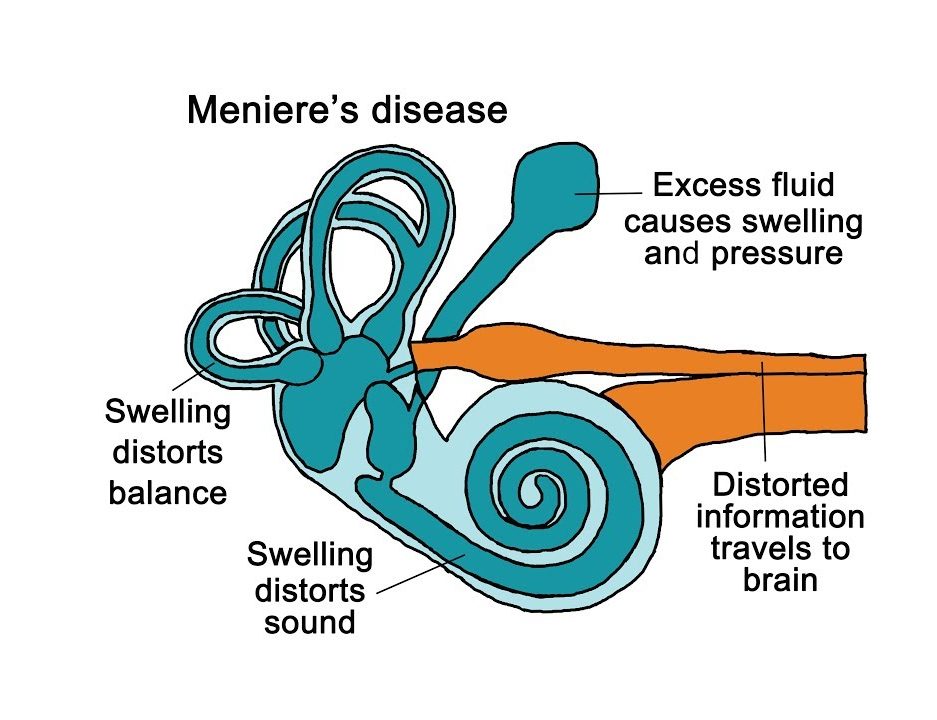
According to the Meniere’s Society, consuming vitamin C can reduce vertigo in if you have Meniere’s disease. Foods rich in vitamin C include:

  • oranges
  • grapefruits
  • strawberries
  • bell peppers

Vitamin E

Vitamin E can help maintain the elasticity of your blood vessels. This can help prevent circulation problems. Vitamin E can be found in:

  • wheat germ
  • seeds
  • nuts
  • kiwis
  • spinach

Vitamin D

Vitamin D has been shown to help you improve after BPPV attacks.

Iron

If your doctor thinks you have anemia, they may encourage you to get more iron. Iron can be found in foods such as:

  • red meat
  • poultry
  • beans
  • dark leafy greens

Vitamin B12

Chilblains Help Sheet

Chilblains are triggered by poor circulation and are characterised by red inflamed areas that affect the extremities. Chilblains can cause intense itching, swollen toes and sensitivity to heat and cold. Some unfortunate individuals suffer in both hands and feet. It is more common in cold weather, because the small blood vessels in the skin naturally constrict when it is cold. If you tend to suffer with chilblains every winter then you need to improve your circulation. In the long-term to prevent chilblains you need to make sure your circulation is as efficient as possible.

Vitamin B3 can be used for the following conditions:  

  • To treat high cholesterol (hyperlipidaemia)
  • To treat Vitamin B3 deficiency e.g. Pellagra – a vitamin B3 deficiency 
  • To decrease the severity and frequency of attacks of vertigo (dizziness) 
  • To decrease severity of chilblains

Chilblains happen when small blood vessels constrict in cold weather, causing impaired circulation, which leads to cold, itchy and inflamed fingers and toes.  Keep hands and feet warm and dry – but don’t wear tight-fitting shoes – and exercise daily to stimulate circulation.  

Important nutrients are: 

Vitamin E and B3, to enhance circulation 

Vitamin C (with bioflavonoids), to strengthen the blood vessel walls and reduce inflammation

Fish and fish oils. 

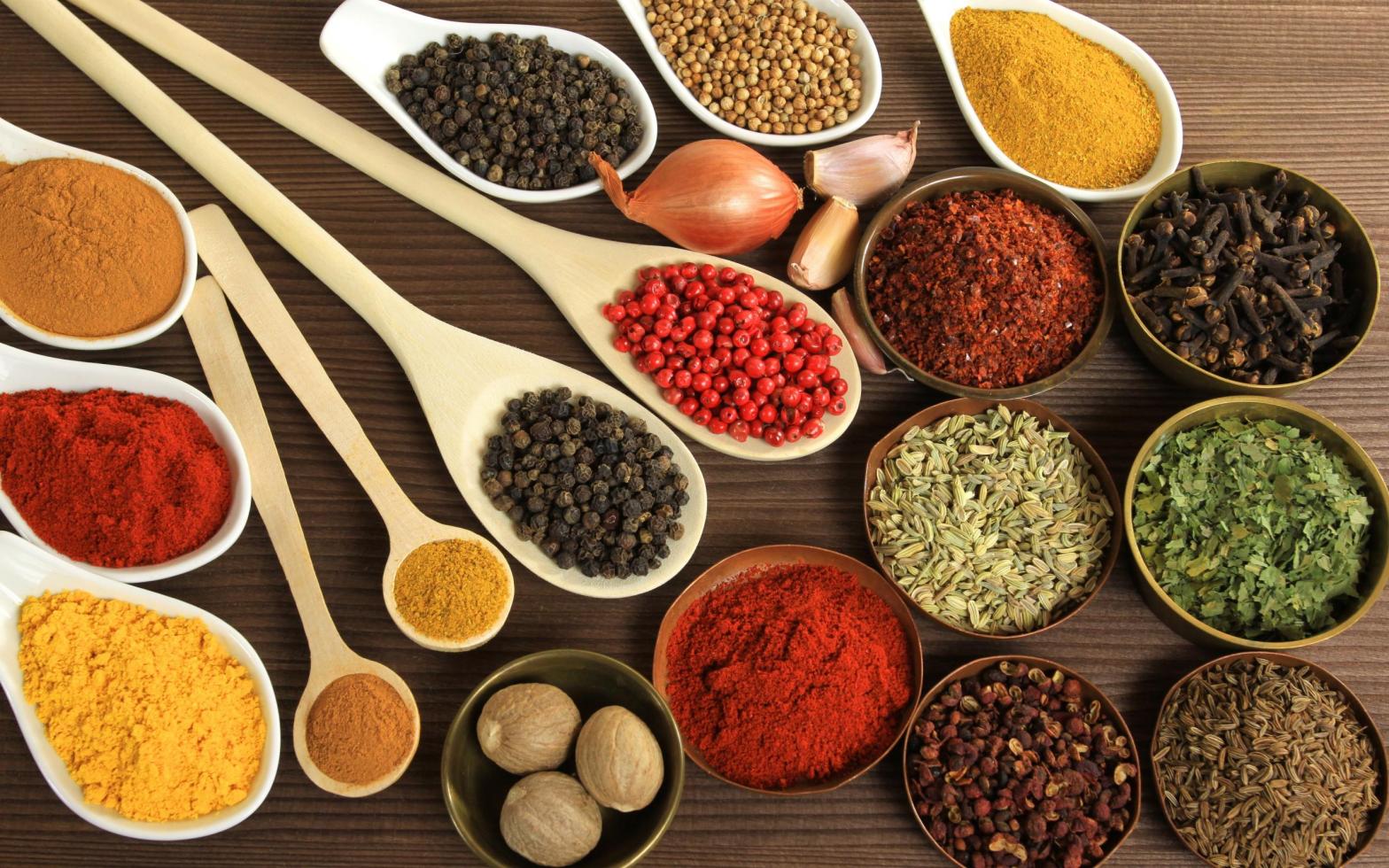
Eat plenty of fresh fruit (particularly berries and kiwi), colourful vegetables, avocados, nuts, seeds and their oils, and warming foods such as ginger, garlic, onion, pepper and spices. 

Recipes

Last century, we ate home-grown fruit and veg in season – and knew when it was time to pick it. Mums were home to cook the meals – and cakes and biscuits, pumpkin scones, apple pies, fruit cakes, gingerbread, coconut slice, cinnamon teacakes, lemon meringue, carrot cake. The puddings – jelly, custard, stewed fruit, plum pudding, macaroni, vermicelli, lemon sago, creamy rice, bread & butter pudding, mulberry pie. All good wholesome food that kept us healthy! Where have we gone wrong? Our cravings tell us what is missing nutrition-wise in our diet, that our body needs to function properly and in good health.

Take EXTRA SLOW K or potassium water or broth if

  • the heat drains you of energy
  • you have hot flushes
  • you have a urinary infection
  • you have oedema

When we think of jellies we tend to think of kid’s parties. Jelly used to be a popular sweet. Gelatine was very much part of our diet in by-gone years but today has largely disappeared from our tables. Shop-bought cooking gelatine is an inexpensive means of obtaining Gelatin Hydrolysates with equal potency to significantly more expensive pharmaceutical forms.

Here is some information on the benefits of butter, as well as how to make stock and a quick vegetable soup.

Resistant starches reduce blood sugar. Small amounts of resistant starch (about 5% of the total) are produced when some starchy cooked foods, such as toast, potatoes, pasta and rice, are allowed to cool before eating. Freezing before re-heating is even better! Check this PDF out for more information.

Eat more dairy? Or less? We want to protect our bones from osteoporosis, but can we over-do dairy? Too much calcium, as well as causing cramps and muscle aches, can cause fatigue, exhaustion, depression, anxiety, panic attacks, headaches, paranoia, loss of memory, poor concentration, crying spells and insomnia.

Do you get food cravings? What do they mean?

Lemons can be helpful to keep your blood sugar levels stable, reduce reflux and can help with asthma and nausea. Protein is also good for stabilising you blood sugar level, and a good source is eggs.

Pumpkin seeds can reduce antioxidants, reduce cholesterol, reduce osteoporosis, improve sleep, reduce inflammation, boost energy, improve urinary function. They can be eaten raw or roasted.

Instinctive Eating

When I started my nursing training at Fremantle Hospital 50 years ago in 1965, one of the first things we had to do was go back to school to learn cooking. I couldn’t believe it! We even had the same cooking teacher from John Curtin High School that I thought I had left behind me with the finish of official schooling now that I was working!

Invalid cooking was part of our basic training and meals in hospital were an important part of getting patients better. Nurses were in charge of meals – we didn’t have dieticians. Our Ward Sisters and Staff Nurses trained us in what foods to give each patient – and this depended on their medical condition and to some extent their food preferences were taken into account. And some were very fussy eaters.

I have learnt a lot more since then and there is a lot more research now available. But it is pretty basic really – we eat to supply our bodies with the nutrients needed to sustain a healthy life. If we don’t eat, we die. But before that our health goes down hill.

So we eat to survive and the foods available for us to eat were those that grew or lived around us where we lived. For thousands of years, people lived in the same part of the world and ate the same foods, prepared in traditional ways. This is what we are programmed for. This is what it is easiest for our bodies to deal with. We have developed the ability to digest and use these foods to survive. And the foods around us have developed to survive in the soils and climates they (and we) grow up in too.

This has been the basis for the research I have been involved in with our Polio Clinic and OSWA here in Perth since 1992. The more we investigate this, the more we realise that instinctively we do all really know what we need to eat – BECAUSE IT TASTES GOOD TO US!

We don’t all have the same tastes and our tastes change as the nutrients we need change. That is why we don’t eat the same foods every day for every meal. I have found that people with the same blood groups and same ancestoral backgrounds like the same foods and eat a certain way.

Even in the same family, because we have different blood groups, we can choose to eat with more or less cooking and different things first. One of my sons eats all his veg then all his meat while I must have a piece of meat and some veg with every mouthful. I can’t eat one without the other.

Our research has shown that people who are A or AB blood group don’t usually like legumes ie peas and all sorts of beans, even though they may be eating them believing they are good for them. In fact it has been shown that legumes and lentils can cause clumping of red blood cells resulting in destruction of these useless clumps by the body which thus leads to anaemia. This can happen with other blood groups too but more often in A or AB. I have solved this anaemia in many people by telling them to stop eating legumes. It takes 6-8 weeks to regenerate your red blood cells and so then the GP sees an improvement!

So there is a valid reason behind some natural food likes and dislikes. Babies and animals eat by instinct. They try it and like it or reject it. Most of us have had instinct trained out of us with “Eat everything on your plate!”

Ever wonder why grandma bothered with the long soak, drain, rinse and boil sessions when preparing oatmeal porridge, baked beans and other grains? Or why we are supposed to throw away the water cabbage is cooked in?

There is a good reason that modern research has revealed. Overnight soaking, changing the
water, adding sodium bicarbonate to the water, fermenting, sprouting and cooking – all will alter phytates and decrease or change lectins (or the bad parts of some foods ie with the wrong lock and key) and thus help free up the good nutrients we need.

Our bodies and our foods have and make enzymes that are part of the lock and key effect. The difference in Blood Groups is the slight changes in the surface sugars on all cells, not just red blood cells. It is the complex proteins known as lectins in the foods that can react badly with our body cells. This can change between blood types and food types. The lectin content of foods differ year to year and crop to crop. Climate and soil content affect these changes.

Grains, cereal and legume (especially peanut and soybean) lectins are most commonly associated with reports of digestive complaints. Legumes and seafood have the most abundant sources of lectins in most diets. When lectins affect the gut wall, a broader immune system response may occur as the body’s defenses move in to attack the perceived invaders. Symptoms can include skin rashes, joint pain, leaky gut, sore tummies, bloating, reflux and general inflammation, including allergy-type reactions.

Instinctively we recognise body reactions which we may register as food likes and dislikes as our bodies try to keep us on the right track with the foods we choose to eat. For instance, the summer Valencia orange gives me a tummy ache but the winter Naval orange doesn’t, and tastes better to me. O and AB prefer the taste of the Valencia orange.
I like mulberries when they are red and tangy (a B and A2 blood group preference) while the other blood groups like them when they are ripe and black. Different lock and key.

If we eat foods that naturally appeal to us and taste better, we are more likely to be on the right track. Let each person choose what to put on their own plate ie – help yourself.

This work on lectins is not new. Lectins were first described in 1888 by Stillmark and research on lectins was done by Ehrlich, who was considered to be the Father of Immunology.
If a lectin with a ‘similar’ key comes in contact with one of these ‘locks’ on the gut wall or artery or gland or organ, it can ‘open the lock’, ie ‘break in’, disrupt the membrane, damage the cell and may initiate a cascade of immune and autoimmune events leading to cell death.

Our food likes and dislikes vary with taste, colour, traditional food exposures and blood groups. We should eat the foods of our ancestors – European or Asian, Indian, Chinese. Thai foods are for Thai people! We all have particular enzymes that we inherit and make – that enable us to process and digest safely certain foods but not others eg lactose intolerance, coeliac, nut/eggs allergies.

Compatibility with food types takes thousands of years – we don’t change overnight! Blood types and traditional exposure give key guidelines to what food is suitable to different people. If you don’t have the right key you can’t unlock the door and enter. Each is made to fit the right place/food. Enzymes and co-factors are made in the body from vitamins and minerals and they speed up the digestion of food by enabling chemical reactions, bringing molecules together or pulling them apart. Enzymes lower the amount of energy needed for an action to occur.

Even the amount of meat – ie protein (animal-based food) to veg – ie carbohydrate (plant-based food) on your plate will vary according to your blood group. Instinctively we will put the right proportions of the right foods onto our plates if we trust our instincts – forget what you have been told or what you have been taught or read is right. Ask yourself what you really want. Remember that cravings may actually be trying to tell you something you are needing and we might have to analyse the truth of them.

O Blood Group – Warm/Hot climate

  • Not hungry till 10am -11am
  • Picks at food thru day when hungry
  • Eats large main meal at night
  • Lightly cooked meals eg stir-fry, salads
  • Strong digestive system – works while sleeping
  • Wakes with energy – ready to go
  • Sport activity gets brain going, invigorates

ABlood Group – Temperate cool climate

  • Hungry when wakes – needs food to warm up eg cooked breakfast, main meal midday
  • Light meal at night – digestion poor when asleep
  • Long cooked soups and stews, casseroles aid digestion
  • Grows grains – rye, barley.
  • Ripe fruit but not tropical
  • Keeps animals for by-products ie dairy, eggs, wool
  • Only eats animals when getting older or bred for food
  • Catches fish in rivers and ocean
  • Long exercise exhausts, slows brain function

ABlood Group – Extreme cold – Arctic

  • Scandinavian or Eskimos, Icelanders
  • 3 decent meals of meat, fish, root veg
  • Strong digestive system
  • Need to eat for warmth and energy
  • Berries main fruits – some apple, orange, pear, grapes –
  • NB stone fruit need frost to set fruit so OK
  • No tropical fruits can be grown in Arctic
  • No grains grown in snow– may tolerate rye, spelt, rice
  • Need lots of protein – meats, fish, fowl, deer, whale, bear
  • Long cooked meals – stews, soups, broths

B Blood Group – Cold climate – mountainous

  • Developed in Himalayan mountains, spread by gypsies
  • Needs 3 reasonable meals – balanced protein and plant foods each meal – get instant reactions to wrong foods
  • Need food for warmth and energy
  • New-seasons fruit – tangy, not quite ripe
  • Cold climate fruit but ok with some warm eg bananas, coconut but not pineapple
  • No good with any fowl but eggs ok
  • Cold water fish – deep ocean or cold river, no tuna. Salmon ok
  • Mountain rice not paddy rice

A1B Blood Group – Warm climate

  • Developed in Asia and South Sea islands
  • Prefers more vegetables than meat
  • Big fish eaters, but not big on chicken or any fowl
  • Tropical ripe fruit – oranges ok but not lemon or bananas – good with pineapple but not apple
  • Not good with most nuts, dislikes beetroot
  • Likes stir-fry, lightly cooked meals
  • Instant reactions to wrong foods so may be fussy eater
  • Likes potato and root veg, ok with grains
  • Avoids legumes esp peas, but eats other greens
  • Dislikes stress, usually easy-going, hard workers

A2B Blood Group (very rare) – Cold Climate

  • Mostly as for A2 but may need to avoid foods A1B has problems with too eg beetroot, apples.
  • Restrictive diet, prone to digestive upsets
  • Dislikes stress, usually easy-going, hard workers